Gold Restoration (Molar Crown / Inlay)
A restoration made from gold alloy for the back teeth. Gold has a long history of use in dentistry and places relatively little wear on the opposing teeth, making it suitable for patients who prioritize function and comfort over a tooth-colored appearance.
Overview
Treatment information
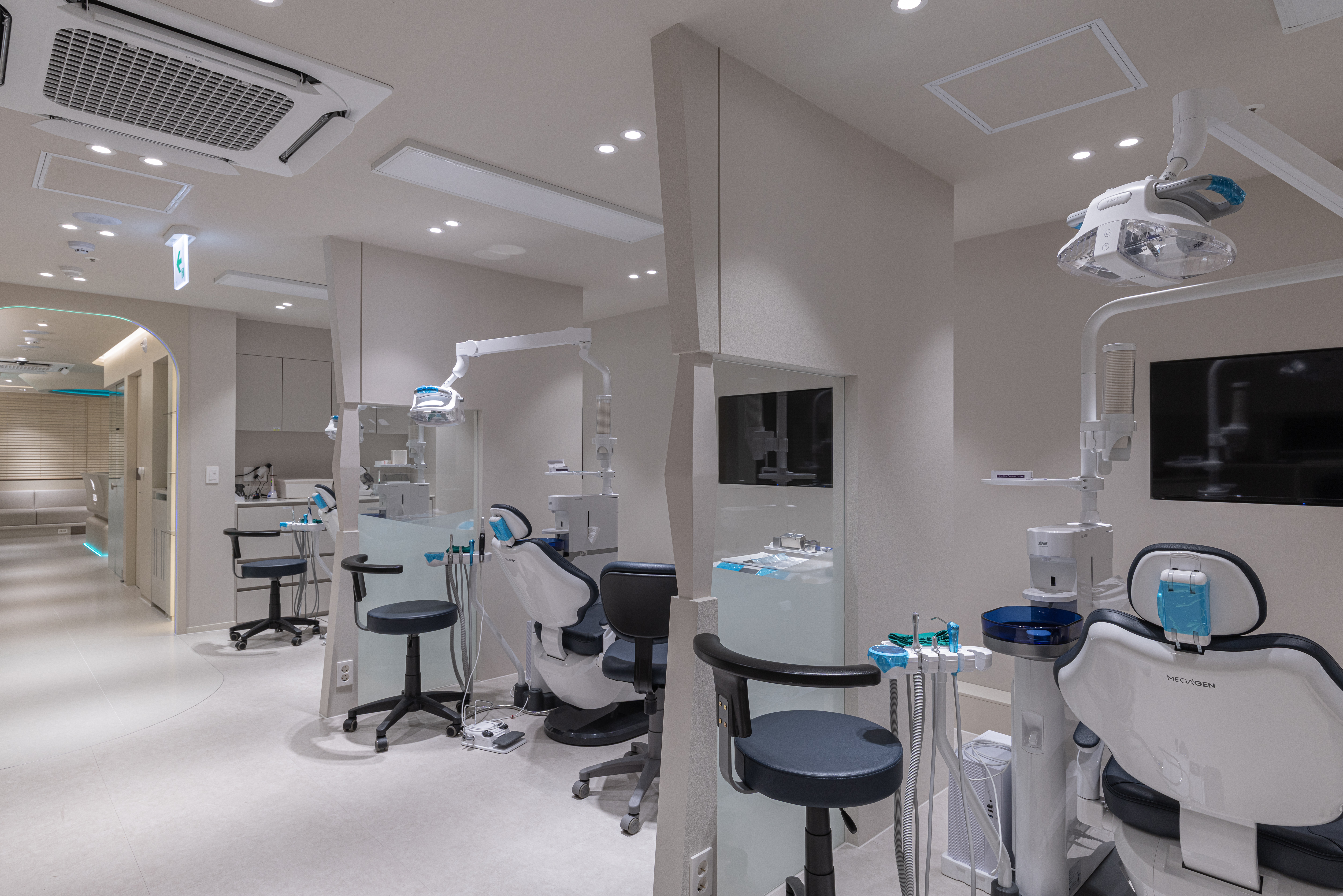
■ Procedure Overview Gold restorations are used to restore damaged back teeth. When the damaged area is extensive, a gold crown is used to cover the entire tooth. When the damage is more limited, a gold inlay is used to fill only the area where decay or damaged tooth structure has been removed. Gold alloy has been used in dentistry for many years. It wears at a rate similar to natural teeth, which can reduce stress and wear on the opposing tooth. Because it can also be fabricated relatively thinly, less natural tooth structure may need to be removed. However, because the metallic color remains visible, gold restorations are mainly used for back teeth that are less noticeable when smiling. At DIAN, restorative materials are recommended according to the balance between appearance and function. Tooth-colored materials may be recommended for visible teeth, while gold may be presented as an option for less visible areas where chewing comfort and durability are a greater priority. ■ Who May Be a Suitable Candidate - Patients receiving treatment for back teeth exposed to strong chewing forces, such as the rearmost molars - Patients concerned about wear on the opposing teeth - Patients who grind or clench their teeth - Patients who want to reduce the amount of natural tooth preparation where clinically possible - Patients who prioritize function and comfort over tooth color ■ When Another Approach May Be Recommended - A tooth visible when smiling: A tooth-colored material such as a zirconia crown or E-MAX inlay may be recommended. - Known or suspected metal allergy: Inform the clinic in advance. - Minor tooth decay: Composite resin treatment may be sufficient. - Gum inflammation or poor tooth-root condition: The dentist must first determine whether the tooth and surrounding tissues can be treated and preserved. ■ Treatment Duration and Recommended Stay Treatment usually requires 2 visits. The tooth is prepared, an impression or digital scan is taken, and the prepared area is protected with a temporary material. After a fabrication period of approximately 1 week, the final restoration is fitted and attached. If root canal treatment is required first, the number of visits and the overall treatment period will increase. For patients traveling from overseas, a stay of approximately 7–10 days is recommended. ■ Cost Information The listed price applies to one tooth: Gold crown for a back tooth: KRW 1,080,000 Gold inlay: KRW 708,000 Additional fees apply if root canal treatment is required or if the tooth needs internal reinforcement after root canal treatment: Post: KRW 120,000 Resin core: KRW 120,000 Any additional treatment and associated costs will be explained after diagnosis and before treatment begins. ■ DIAN’s Approach to Care - Our Chief Director personally manages the treatment from diagnosis through final restoration placement. - The material is not selected in advance. The appropriate option is chosen after assessing the tooth’s location and the patient’s chewing habits. - Consultations and treatment are provided in private rooms. - Consultations are available in English, and DIAN is registered as a medical institution authorized to serve international patients.
Treatment composition
What's Included?
Options
Detail Information
How It Works
Please Note
Pre-Arrival Checklist
Other Treatment
Hospital information
Gold Restoration (Molar Crown / Inlay)
Listed Price$488 (≈ ₩708,000)
Today's Exchange Rate: ₩1,450 / USD
Booking Request