Why You Should Get CARTISTEM Treatment in Korea
💡 Quick Summary: At a Glance
- World's First Approval: CARTISTEM is the world's first allogeneic stem cell cartilage treatment approved by Korea's Ministry of Food and Drug Safety (MFDS) in 2012.
- Simple Procedure: Delivered through a single arthroscopic procedure, without the need for a separate tissue-harvesting surgery.
- Proven Infrastructure: Korea has built up years of clinical experience, specialized medical teams, and systematic rehabilitation programs since introducing CARTISTEM.
- Limited Access Abroad: Many countries still keep this therapy confined to clinical trials or haven't approved it at all.
🎯 Who This Guide Is For: Anyone considering treatment for degenerative or traumatic knee cartilage damage who wants to understand why Korea—and specifically CARTISTEM—may be the more reliable option compared to treatment abroad.
💡 Direct Answer
CARTISTEM is the world's first allogeneic stem cell cartilage treatment approved by Korea's Ministry of Food and Drug Safety (MFDS)—and Korea has built up extensive clinical experience and treatment infrastructure around it ever since. Many other countries still haven't approved this therapy, or it remains stuck in clinical trials, so if you're looking for a treatment backed by proven safety and efficacy data, Korea is the practical choice.
Why Is Knee Cartilage Damage So Hard to Treat Overseas?
Common Symptoms of Degenerative and Traumatic Cartilage Damage
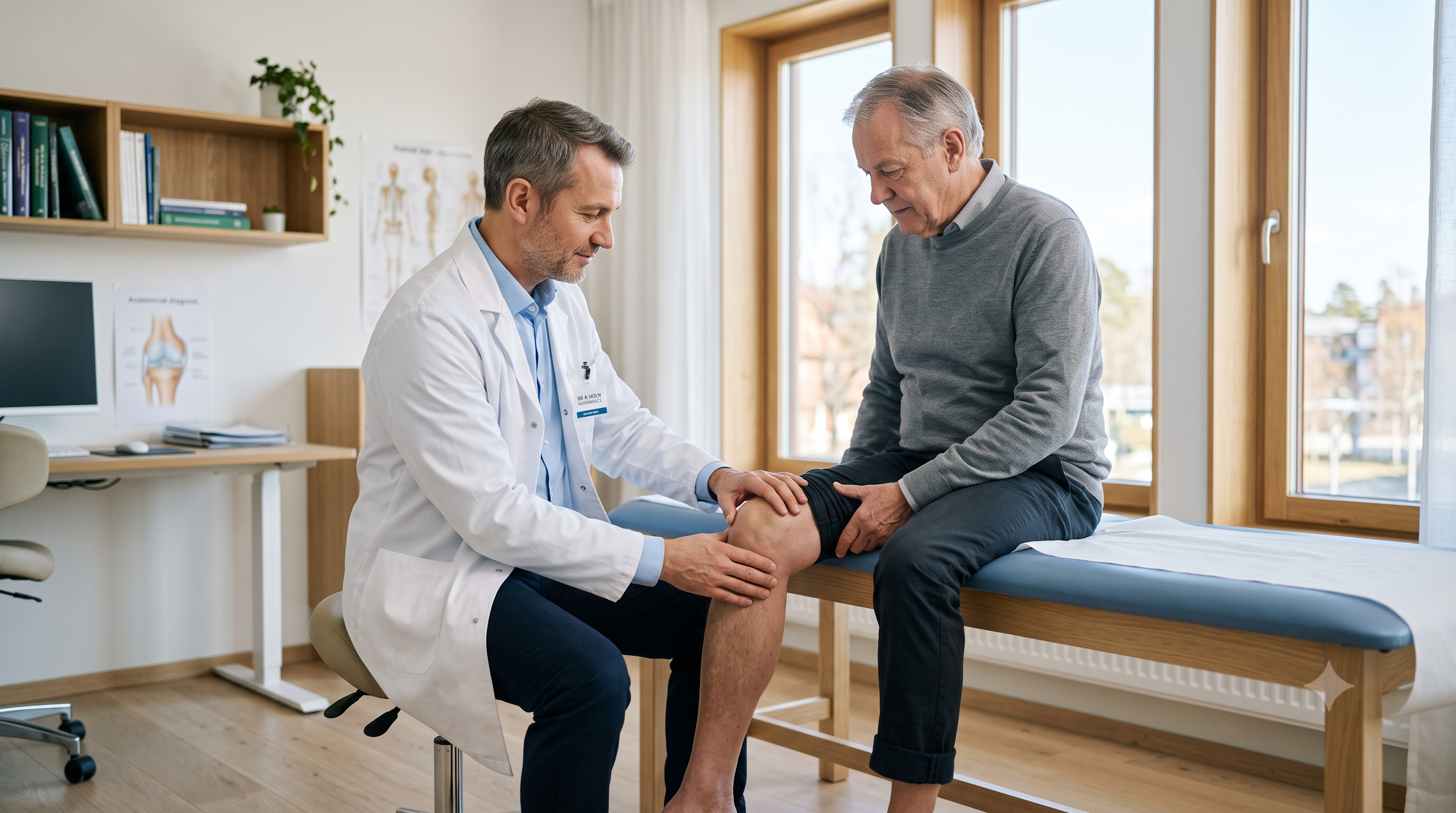
Knee cartilage damage typically stems from degenerative arthritis or physical trauma, and it usually shows up as pain when climbing stairs, swelling around the knee, and a noticeably limited range of motion. Left untreated, the damaged area can spread and gradually erode joint function—which is exactly why timing matters when deciding on treatment.
The Limited Options Facing Patients Abroad
In many countries, stem cell therapies for cartilage regeneration are still stuck in clinical trials or haven't received formal regulatory approval. That leaves patients abroad with a narrow set of choices, often forcing them to either delay treatment altogether or risk turning to procedures that haven't been properly validated.

Why CARTISTEM Remains Unfamiliar Abroad
How Stem Cell Treatment Approval Differs by Country
Regulatory pathways and standards for stem cell treatments vary widely from country to country. Korea's Ministry of Food and Drug Safety (MFDS) granted CARTISTEM the world's first product approval back in 2012, while many other nations still keep it confined to clinical trials—which severely limits local access.
The Gap in Clinical Experience and Treatment Infrastructure
Even after approval, it takes time to build up real-world procedural experience. Korea has spent years accumulating clinical experience and treatment infrastructure since introducing CARTISTEM, creating a meaningful gap compared to countries where the therapy arrived far more recently.

The Core Reasons to Get CARTISTEM in Korea
What Is CARTISTEM, the World's First Allogeneic Stem Cell Cartilage Treatment?
CARTISTEM is an allogeneic treatment (meaning it's derived from a donor, not your own cells) made from umbilical cord blood-derived mesenchymal stem cells, developed by Korean biotech company Medipost. It's used to treat degenerative or traumatic knee cartilage damage. What makes it a genuinely trustworthy option is simple: it was the world's first allogeneic stem cell cartilage treatment to receive product approval, granted by Korea's MFDS in 2012.
A Straightforward Treatment: One Arthroscopic Procedure
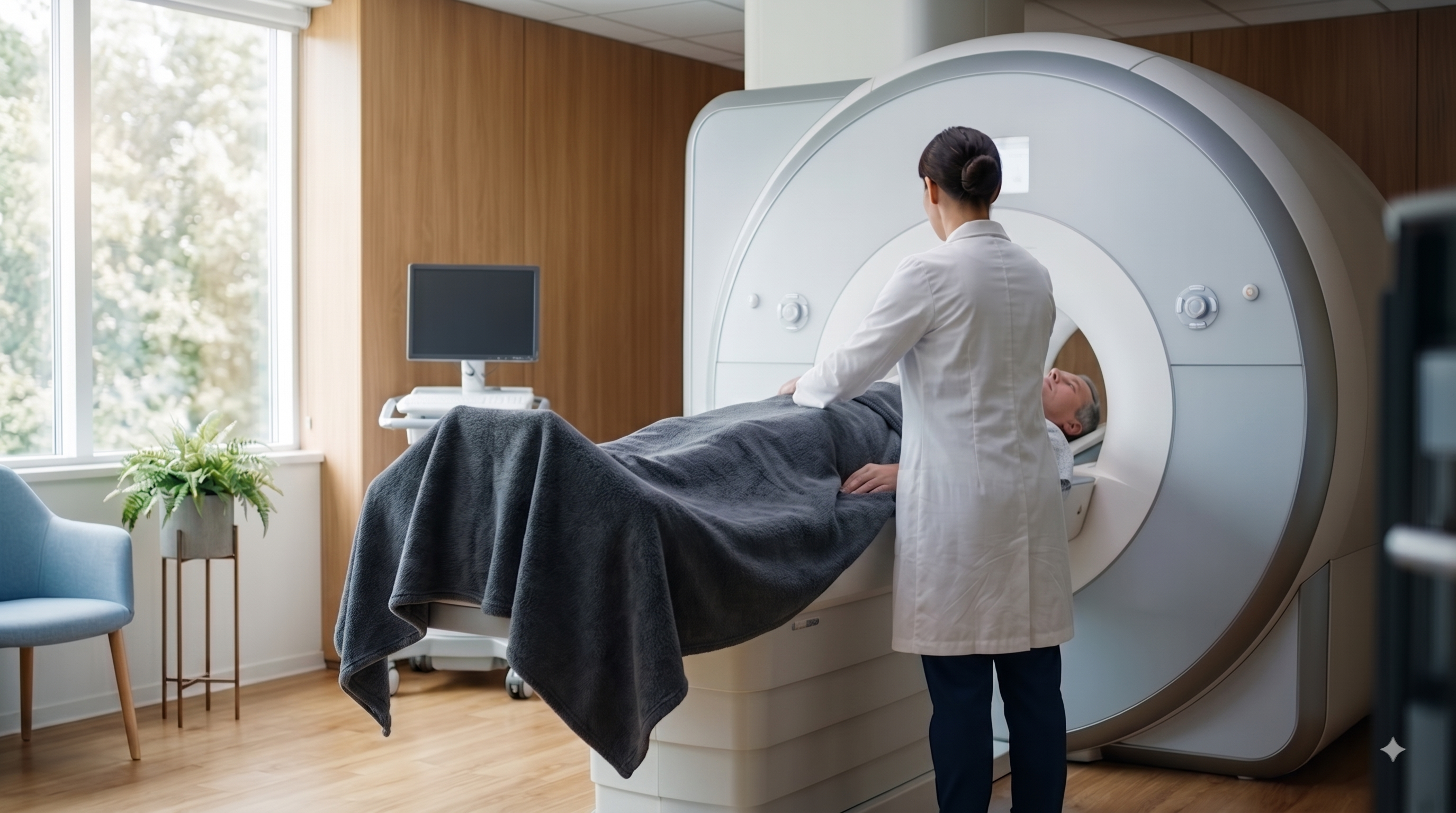
CARTISTEM is delivered through a single arthroscopic procedure (a minimally invasive technique using a small camera and instruments inserted through tiny incisions). Unlike autologous stem cell therapy, which requires a separate surgery to harvest the patient's own tissue, CARTISTEM skips that step entirely—which generally means a lighter recovery burden. The process typically runs through four stages: consultation and MRI evaluation → arthroscopic procedure → hospitalization and early recovery care → rehabilitation and follow-up monitoring.
Years of Clinical Data and Specialized Medical Infrastructure
Since CARTISTEM's approval, Korea has built up a substantial body of clinical data along with a network of orthopedic specialists experienced in the procedure. It's also worth noting that pre- and post-procedure diagnostics—like detailed MRI imaging—and rehabilitation protocols run through well-established, systematic programs.

Treatment Abroad vs. Treatment in Gangnam, Korea
| Category | Treatment Abroad | Treatment in Gangnam, Korea |
|---|---|---|
| Regulatory Approval | Unapproved or still in clinical trials in many countries | Fully MFDS-approved treatment available |
| Clinical Experience | Limited number of cases | Years of accumulated procedural experience |
| Treatment Process | Access limited by underdeveloped infrastructure | Established single-session arthroscopic protocol |
| Interpretation & Patient Support | Primarily local language, limited support | Multilingual interpretation and one-stop package support |
Comparing Cost, Wait Times, and Interpretation Support
As the table above shows, access to treatment abroad is often restricted by both regulatory status and underdeveloped infrastructure. In Gangnam, Korea, by contrast, patients can receive a formally approved treatment backed by multilingual interpretation and one-stop packages built for medical tourists—covering consultation, procedure, and aftercare all in one place.

Why a Consultation Matters Right Now
A Safer Treatment Journey with SafeDoc
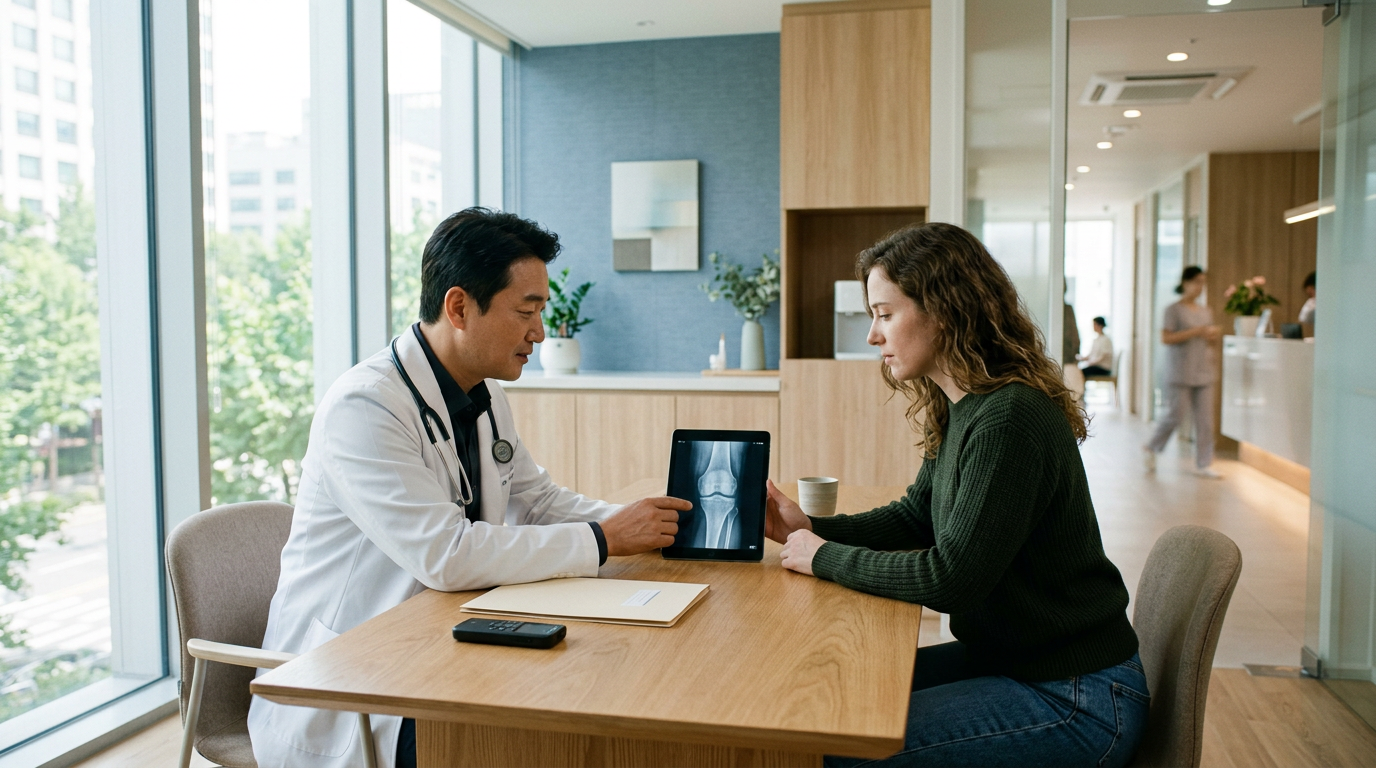
Before committing to treatment abroad, it's worth carefully checking a few things: whether the treatment is actually approved locally, the specialist's professional background, what interpretation and aftercare support is available, and the full treatment timeline and recovery plan. SafeDoc supports this entire journey—from that initial due diligence through consultation, procedure, and aftercare. If you're weighing your options for knee cartilage damage, we'd encourage you to book a consultation now to get the specific answers you need.
💡 Before You Decide
Confirm local regulatory approval status, the specialist's background, available interpretation and aftercare support, and the full treatment and recovery timeline before choosing where to receive care.
❓ Frequently Asked Questions (FAQ)
Q1: Can any patient with knee cartilage damage receive CARTISTEM?
CARTISTEM is used to treat degenerative or traumatic knee cartilage damage, but eligibility depends on the extent of the damage and the patient's individual condition. An accurate assessment requires a specialist consultation, including detailed diagnostics like MRI.
Q2: Does the CARTISTEM procedure require hospitalization?
CARTISTEM is delivered through a single arthroscopic procedure, followed by hospitalization, early recovery care, and rehabilitation. The exact length of hospital stay and rehab plan can vary depending on the patient's condition and the hospital's specific protocol.
Q3: How is CARTISTEM different from autologous stem cell treatment?
Autologous stem cell treatment requires a separate surgery to harvest the patient's own tissue, while CARTISTEM uses allogeneic stem cells derived from umbilical cord blood—meaning no tissue-harvesting surgery is needed at all. That's part of why it tends to come with a comparatively lighter recovery burden.
Q4: Why is it so hard to access treatments like CARTISTEM abroad?
Regulatory approval processes and standards for stem cell treatments differ from country to country, and in many nations this kind of therapy is still in clinical trials or hasn't received formal approval—which limits local access. Korea, on the other hand, received the world's first MFDS approval back in 2012 and has since built up extensive clinical experience and infrastructure around it.
Q5: Can international patients get interpretation support?
One-stop packages for medical tourists often include multilingual interpretation services alongside consultation, procedure, and aftercare. It's a good idea to confirm the specific scope of interpretation and patient support during your initial consultation.