Clinical Review Notice: This clinical diet guide is adapted from the Endocrinology & Metabolic Center at Myongji St. Mary's Hospital. It provides evidence-based dietary strategies to manage blood glucose levels, prevent glycemic spikes, and protect against severe diabetic complications.
💡 Quick Summary: At a Glance
- The Danger of Summer Spikes: Dehydration and high-glycemic seasonal treats (sweet drinks, ice cream, bingsu) cause rapid glucose surges, accelerating vascular damage and diabetic complications.
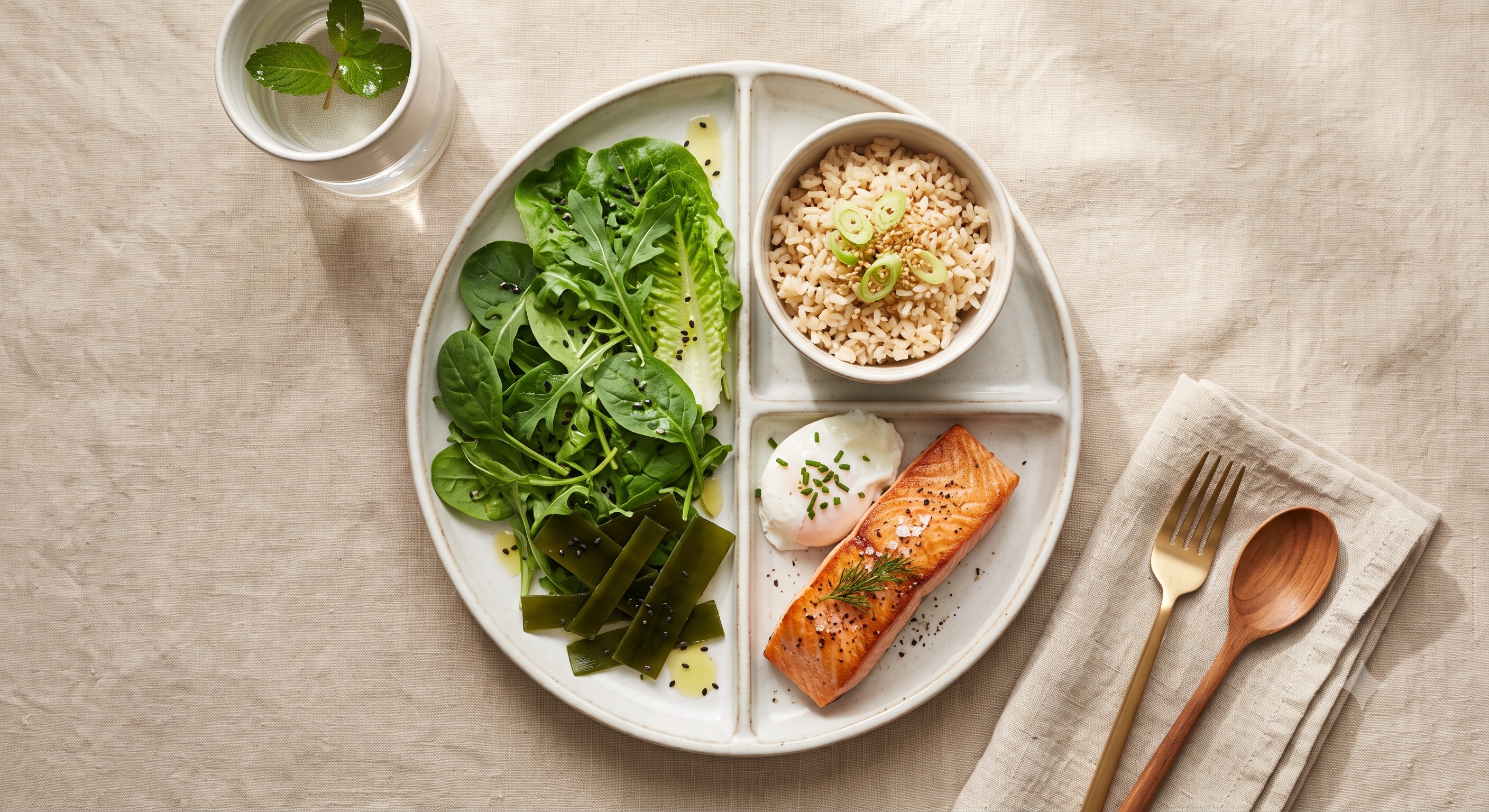
- Mastering Food Sequencing: Eating dietary fiber first, followed by protein/fats, and finishing with complex carbohydrates significantly delays sugar absorption and flattens postprandial glucose curves.
- Balanced Carb Reduction: Extreme ultra-low-carb diets risk severe hypoglycemia and elevated LDL cholesterol. Focus instead on eliminating simple refined sugars while moderating complex carbs.
🎯 Who This Guide Is For: This evidence-based nutritional guide is written for individuals living with Type 2 diabetes or pre-diabetes who want a structured, daily meal plan to stabilize blood sugar, manage daily carbohydrate intake, and prevent long-term diabetic microvascular complications.
📑 Table of Contents
- The Hidden Danger of Summer Blood Sugar Spikes & Complications
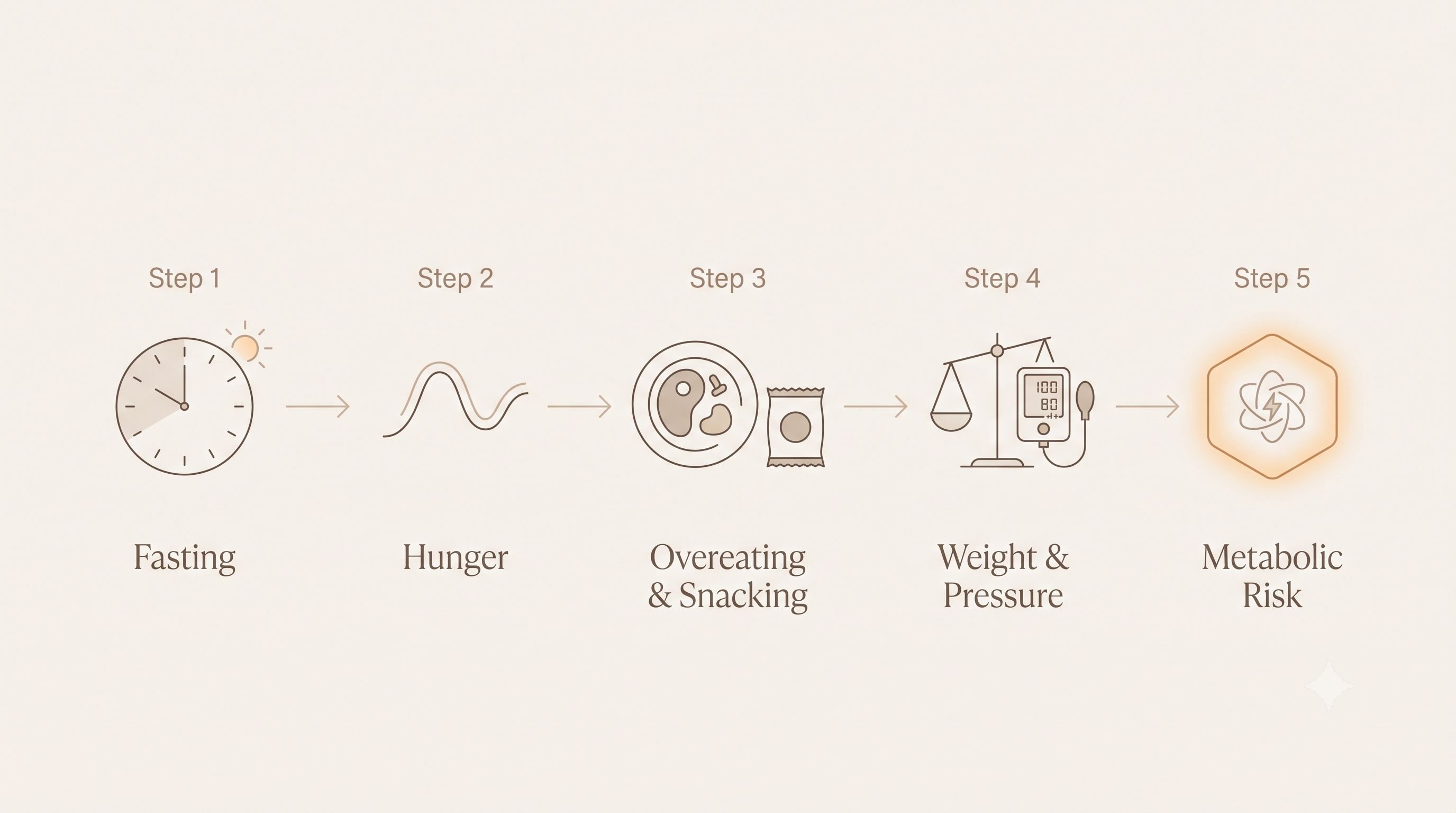
- Rule #1: Make Breakfast Non-Negotiable (Preventing Rebound Spikes)
- Rule #2: Master Food Sequencing (The "Fiber-First" Strategy)
- Rule #3 & #4: Smart Carbohydrate Reduction vs. Eliminating Simple Sugars
- Frequently Asked Questions (FAQ)
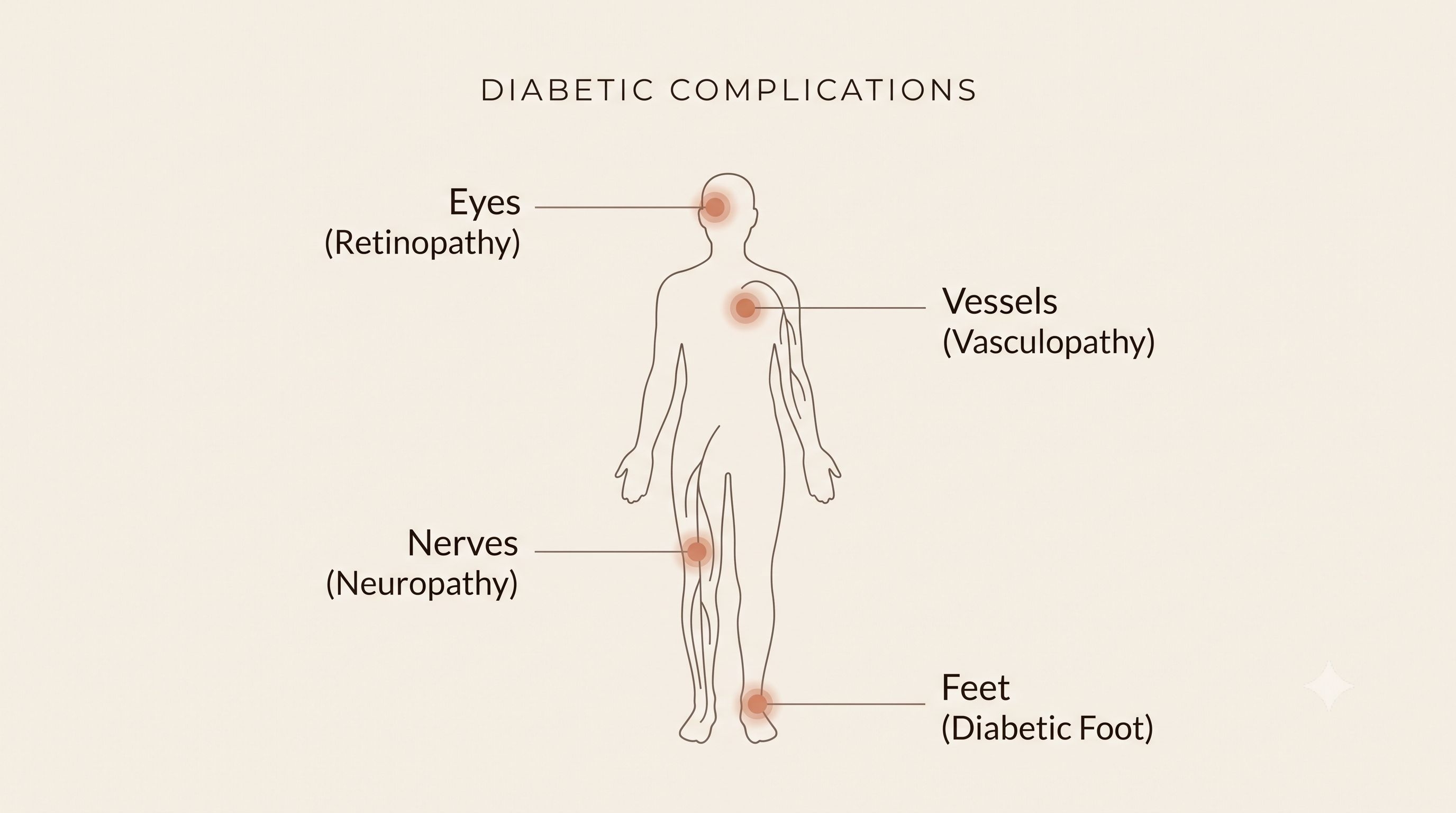
1. The Hidden Danger of Summer Blood Sugar Spikes & Complications
Dehydration caused by hot weather, combined with high-glycemic summer treats, causes rapid postprandial glucose surges that severely damage systemic blood vessels.