How to Choose a Health Screening Center: Health Checkup Fasting Rules & Preparation Guide
Clinical Review Notice: This publication was prepared with the clinical guidance of the Health Promotion & Comprehensive Screening Center at Myongji St. Mary's Hospital.
💡 Quick Summary: At a Glance
- Facility Selection Criteria: Choose a health screening center offering personalized test modules, on-site board-certified specialists, seamless outpatient care links, and rigorous instrument disinfection.
- Fasting Rationale: Strict fasting is required to obtain accurate blood glucose and lipid profiles while preventing digestive fluid and residual food from obstructing ultrasound and endoscopy views.
- Medication Safety: Take essential hypertension drugs early with a minimal sip of water, pause diabetes medications while fasting, and stop blood thinners/supplements 7 days prior to an endoscopy.
🎯 Who This Guide Is For: This comprehensive medical preparation guide is written for individuals scheduling an annual or biennial health checkup who want to evaluate screening center standards and adhere to accurate fasting, medication, and safety protocols for precise diagnostic results.
1. 4 Essential Factors for Selecting a Health Screening Center
Selecting a reliable health screening center requires evaluating available diagnostic technologies, on-site board-certified specialist availability, seamless outpatient care continuity, and rigorous automated endoscope disinfection protocols.
Even in the absence of noticeable symptoms, underlying chronic health conditions such as hypertension, diabetes, hyperlipidemia, and early-stage cancers can quietly progress. Because chronic illnesses and oncological conditions are increasingly diagnosed at younger ages, undergoing regular, comprehensive health checkups is essential for early detection and preventive healthcare. However, the diagnostic accuracy of your checkup depends heavily on the facility you select.
1. Comprehensive Test Options & Personalized Screening Programs
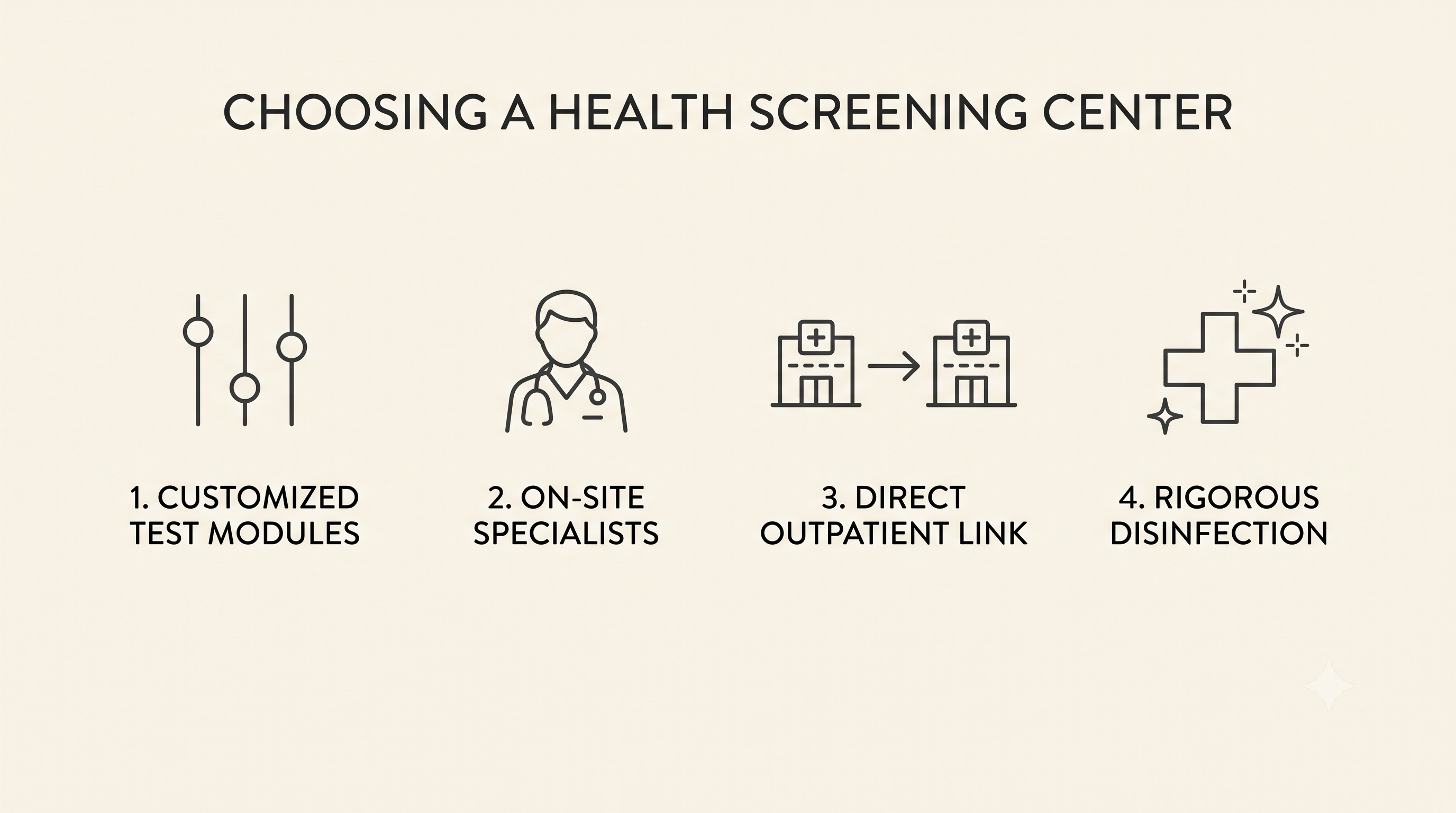
Figure 1: Core Selection Factors—evaluating tailored test modules, on-site specialist presence, direct outpatient continuity, and infection control standards.
A high-quality health screening center should possess advanced medical equipment and infrastructure to support a wide spectrum of diagnostic procedures. Facilities that offer tailored screening programs allow patients to select specific diagnostic modules—such as brain/cardiovascular imaging, digestive endoscopies, or gender-specific exams—ensuring a thorough evaluation based on individual risk factors, genetics, and personal health needs.
2. On-Site Specialist Physicians for Testing & Diagnostics
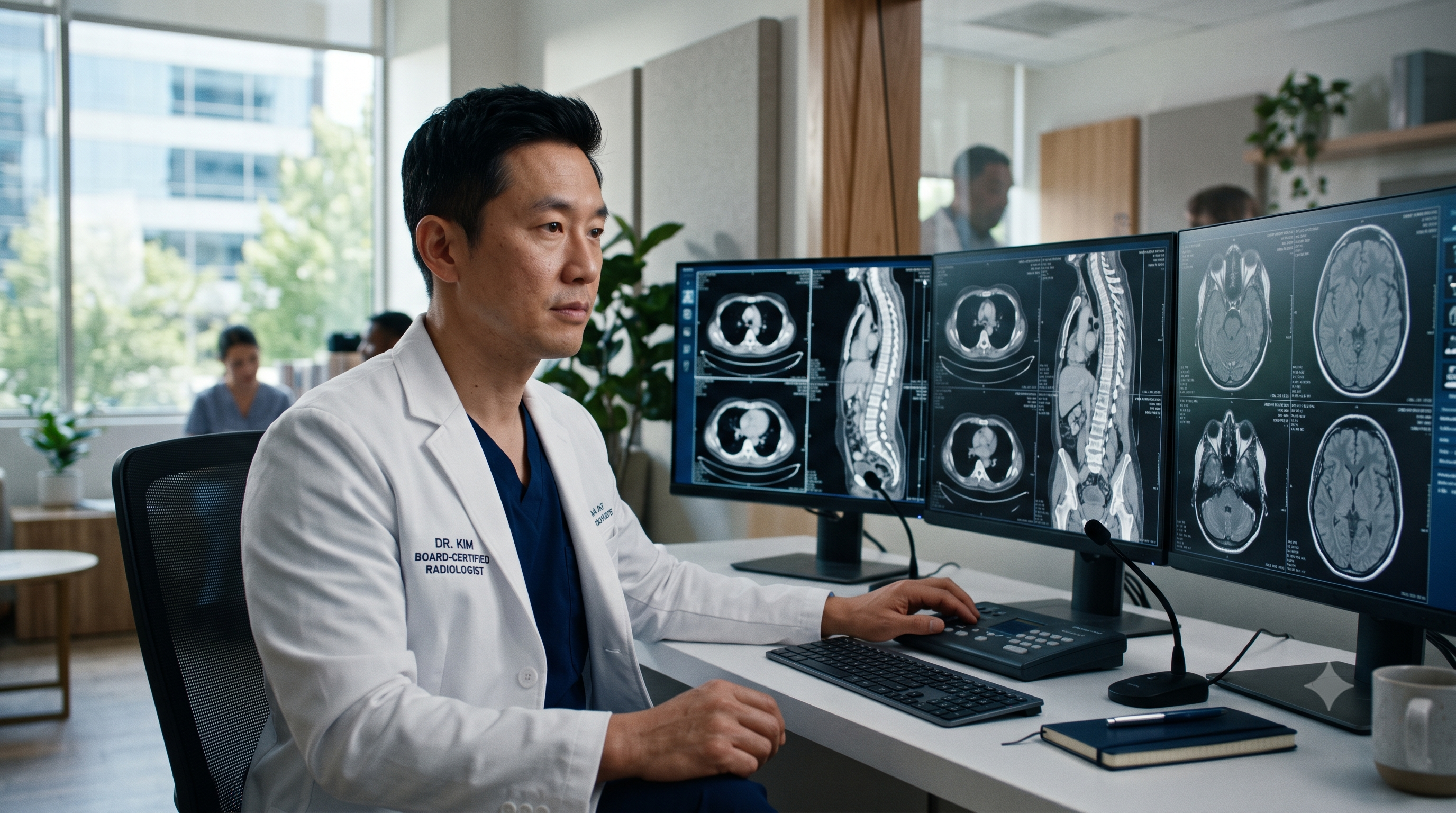
Figure 2: Specialist Precision—ensuring accurate diagnostic reading through on-site radiologists, gastroenterologists, and lab specialists.
Accurate interpretation of complex test results depends on specialized physician expertise. Ensure the facility has qualified board-certified specialists on-site to handle both the execution and reading of your exams :
- Gastroenterologists / Internal Medicine Specialists: For precise and safe endoscopic procedures.
- Board-Certified Radiologists: For expert reading of diagnostic imaging, including CT and MRI scans.
- Laboratory Medicine Specialists: For detailed analysis and disease identification through blood assays.
3. Direct Post-Screening Care & Clinical Continuity
If an abnormality or disease is detected during your screening, prompt follow-up care is critical. Selecting a medical center that seamlessly connects diagnostic screening to outpatient clinical departments allows for faster secondary evaluations, specialized medical treatments, and structured long-term health management.
4. Rigorous Hygiene & Infection Control Protocols
Because diagnostic procedures involve invasive or semi-invasive equipment (such as endoscopes), strict sanitation standards protect patients from potential cross-contamination. Look for centers that enforce thorough disinfection routines for all medical instruments and maintain high hand-hygiene compliance among medical staff.
2. Pre-Checkup Fasting Guidelines: Schedules & Biological Rationale
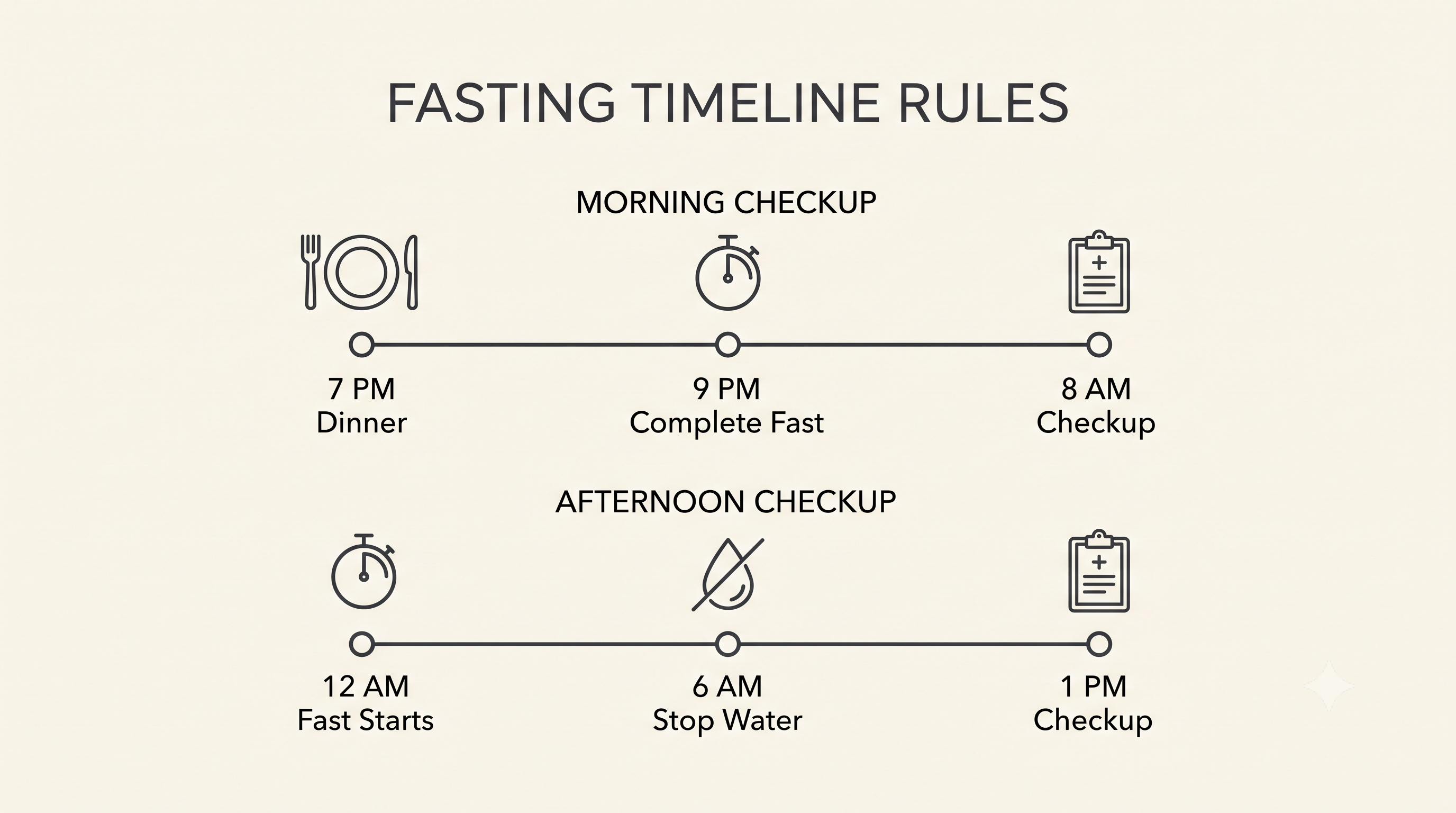
Figure 3: Fasting Timeline & Rationale—adhering to food and water cutoffs to ensure valid blood profiling and clear gastrointestinal imaging.
Adhering strictly to pre-examination fasting rules is essential to ensure valid blood glucose and lipid readings while preventing residual food and gastric fluids from obscuring endoscopic and ultrasound imaging.
Once you have selected a reliable health screening center, properly adhering to pre-examination guidelines—especially strict fasting—is key to obtaining accurate test results.
| Appointment Type | Prior-Day Meal Timing | Fasting Schedule | Water & Oral Restrictions |
|---|---|---|---|
| Morning Checkup | Meal completed by 7:00 PM | Complete fasting starts at 9:00 PM | No food, water, chewing gum, or smoking after 9:00 PM. |
| Afternoon Checkup | Light meal by 7:00 PM – 8:00 PM | Fasting starts at Midnight (12:00 AM) | Minimal sips of plain water allowed until 6:00 AM. Complete fasting after 6:00 AM. |
Why Fasting Is Required
- Accurate Blood Glucose & Lipid Profiling: Consuming food—or even drinking a small sip of water or chewing gum—prior to blood draws alters blood glucose and lipid (cholesterol) levels. This can lead to false-positive diagnostic readings for metabolic disorders like diabetes or hyperlipidemia.
- Clear Visual Tracking & Organ Function Differentiation: Digestion triggers the gallbladder and stomach to contract and secrete enzymes. Fasting helps clinicians distinguish whether gallbladder changes are due to normal digestion or an underlying lesion. Furthermore, residual food inside the stomach during an abdominal ultrasound or upper endoscopy obstructs the camera view, making an accurate examination difficult.
💡 Clinical Insight: Why Chewing Gum Breaks Fasting
Chewing gum—even sugar-free options—triggers salivary secretion and stomach acid production, causing gallbladder contractions that interfere with abdominal ultrasounds and endoscopic view clarity.
3. Key Precautions Before Screening: Medications, Pregnancy & Sedation
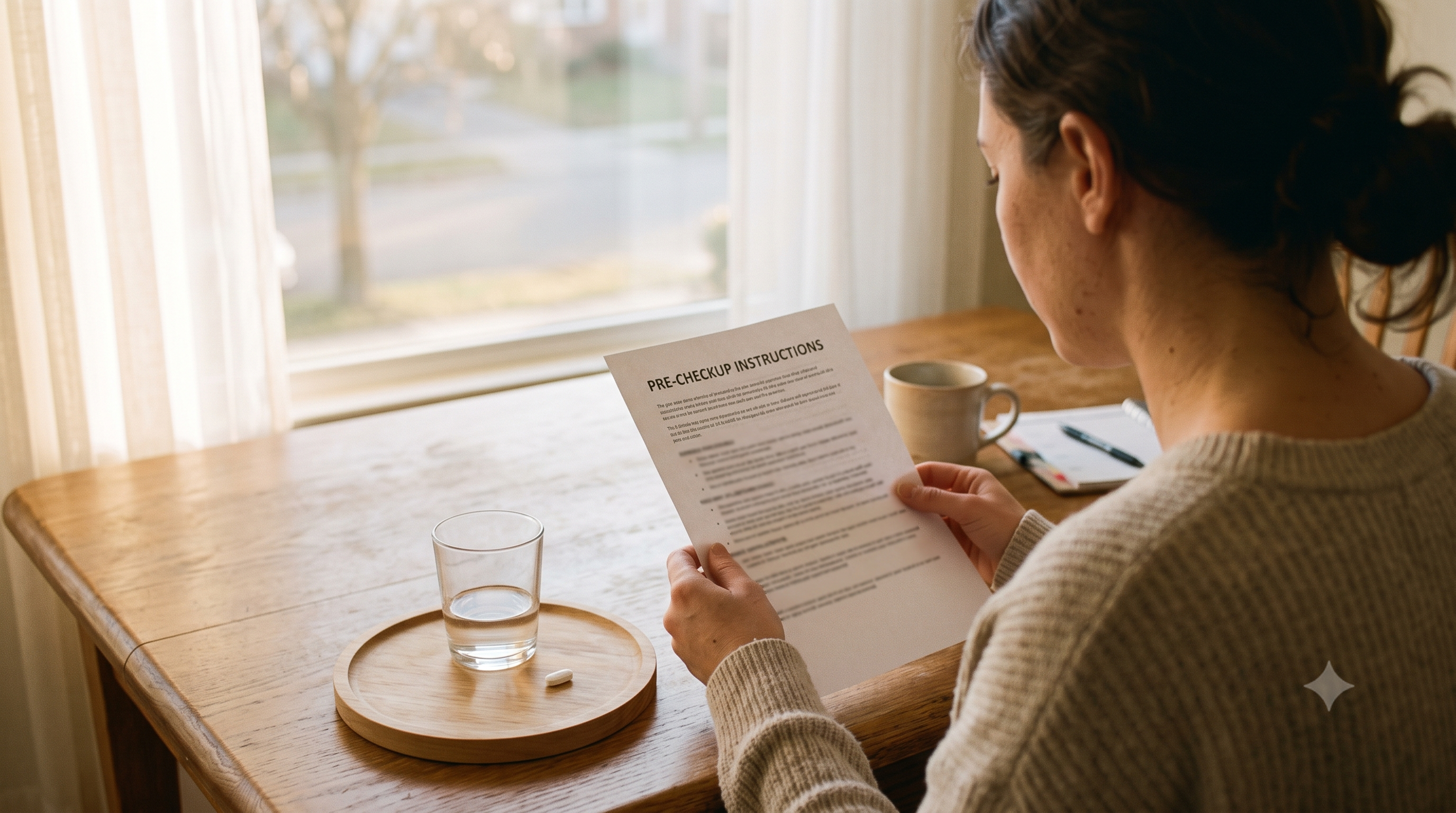
Figure 4: Medication Protocols—taking essential hypertension medication early with a minimal sip of water while pausing diabetes drugs during fasting.
Managing daily prescription medications, pausing blood-thinning products seven days prior to endoscopies, and confirming pregnancy status are critical precautions to avoid diagnostic inaccuracies and procedural complications.
Prescription Medication Protocols
If taking blood pressure or anti-seizure medications, take them on the morning of the exam with a minimal sip of water. Always consult your prescribing physician beforehand regarding whether to pause or adjust any ongoing medical therapies.
⚠️ Diabetes Medication Caution
Insulin injections and oral diabetes medications must not be taken on the morning of your exam while fasting, as doing so can trigger acute, dangerous hypoglycemia. Bring your medication to take after blood draws and examinations are completed.
Supplements & Health Products
Discontinue over-the-counter supplements, herbal medicines, and blood-thinning health products at least 7 days prior to an endoscopic examination. These substances decrease blood clotting and significantly increase bleeding risks if a tissue biopsy or polyp removal is performed during your procedure.
Pregnancy & Menstrual Cycle Rules
Female patients must confirm their pregnancy status prior to screening. Diagnostic radiation (X-rays/CTs), gastrointestinal exams, and gynecological procedures are strictly contraindicated during pregnancy. Additionally, urine tests and cervical cancer screenings should be scheduled 5 to 7 days after menstruation ends to avoid blood contamination skewing results.
Sedative (Twilight) Endoscopy Precautions
Patients undergoing conscious sedation (twilight) endoscopies are strictly prohibited from driving any vehicle on the day of the procedure due to lingering sedative effects on motor reflexes and judgment. Always arrange public transportation or have a guardian accompany you home.
❓ Frequently Asked Questions (FAQ)
Q1: Can I drink water or chew sugar-free gum while fasting for a health checkup?
No, drinking water past your designated cutoff and chewing sugar-free gum are strictly prohibited during fasting.
- Mechanism: Chewing gum stimulates stomach acid production and gallbladder contractions, while excess water pools in the gastrointestinal tract.
- Diagnostic Impact: Distorts abdominal ultrasound readings and obstructs camera visualization during upper endoscopies.
- Logistics Rule: Water must be stopped completely past 9:00 PM for morning exams and past 6:00 AM for afternoon exams.
Q2: What should I do if I accidentally take my diabetes medication while fasting?
You must not take insulin or oral diabetes medications while fasting on the morning of your exam, as doing so causes severe hypoglycemia.
- Mechanism: Hypoglycemic drugs lower circulating blood sugar without incoming carbohydrates to balance energy levels.
- Risks: Leads to acute dizziness, confusion, tremors, sweating, or loss of consciousness.
- Action Plan: Bring your diabetes medications with you to the screening center and take them immediately after blood draws and examinations are complete.
Q3: Why must I stop taking omega-3 and blood thinners 7 days before an endoscopy?
Discontinuing blood thinners and supplements 7 days before an endoscopy is required to prevent excessive internal bleeding during tissue biopsies or polyp removals.
- Mechanism: Products like Omega-3, Ginkgo, Vitamin E, Aspirin, and prescription anticoagulants inhibit blood clotting and platelet aggregation.
- Procedural Risk: Uncontrolled bleeding can occur at the mucosal site if a gastroenterologist performs a polypectomy or tissue biopsy.
- Safety Protocol: Always consult your prescribing doctor prior to pausing prescription blood thinners to ensure a safe temporary discontinuation schedule.