Dental Implants in Korea: Cost, Treatment Time and Number of Visits, With Korean vs Imported Implant Prices
Published: 2026-10-30
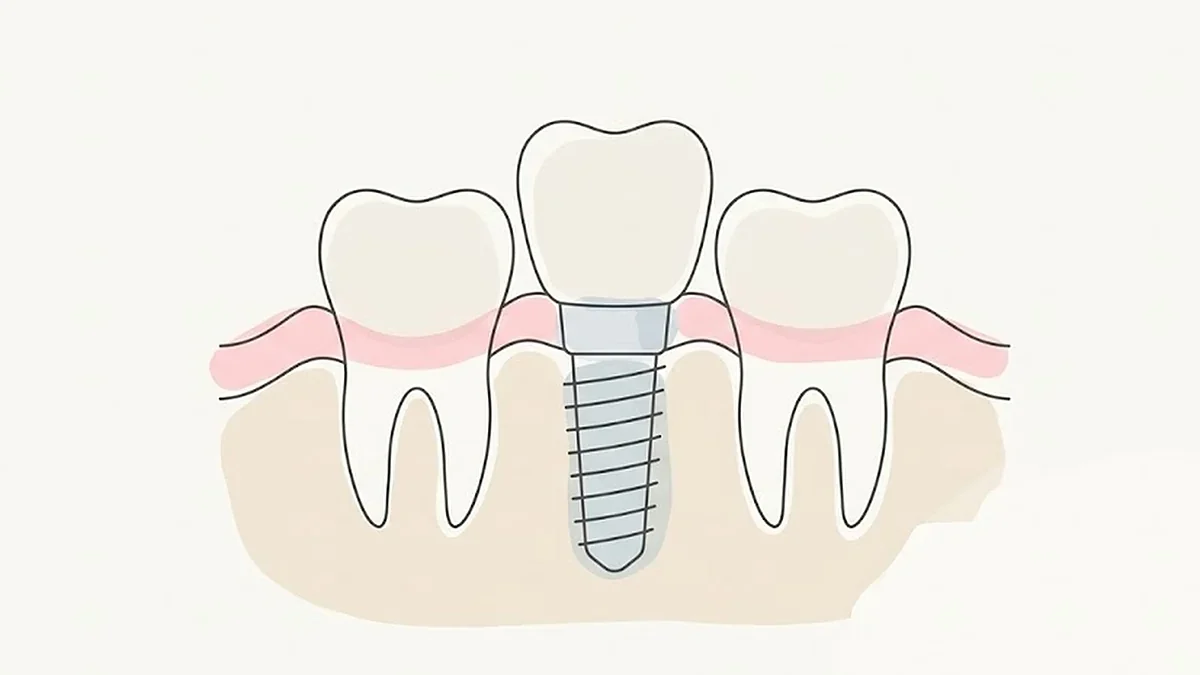
A dental implant is a treatment that replaces a missing tooth by placing an artificial tooth root (a screw-shaped post) in the jawbone where the tooth was lost, then attaching an abutment (the connector that holds the replacement tooth) and a crown (the cap-shaped artificial tooth) on top. If you are looking into dental implants in Korea from abroad, your first questions are probably "How much does one cost, and how many times do I need to come to Korea?" This guide covers, in order, the cost of Korean and imported implants and add-on procedures, the treatment schedule split across two visits, the risks to check before surgery, and aftercare once you are home.
💡 Quick Summary: At a Glance
- How treatment works: After the artificial root is placed, it usually takes 3–6 months to fuse with the bone, and only then is the prosthesis (an artificial tooth such as a crown) attached. That is why patients from abroad usually visit Korea twice, and the time and number of visits can increase if a bone graft is needed.
- Tell your dentist first: Be sure to tell the clinic before your consultation if you smoke, have diabetes with poorly controlled blood sugar, take osteoporosis medicine (such as bisphosphonates), take blood-thinning medicine or steroids, or have untreated gum disease. The timing of surgery may change, or other treatment may be needed first. For teenagers whose jaw is still growing, implants are generally postponed until growth is complete.
- Cost: Based on the SafeDoc price (as of 2026-11-04), one implant costs ₩790,000–₩1,700,000 for Korean brands and ₩2,500,000–₩3,000,000 for an imported brand (Straumann), and whether the price includes the crown or other prosthesis must be confirmed with each clinic. If the jawbone is insufficient, a bone graft (₩300,000–₩360,000) or a sinus lift (surgery that adds bone height at the upper back teeth, ₩600,000–₩1,000,000) may be added.
- Length of stay: Based on partner clinics' guidance, the first visit takes about 5–7 days and the second about 7–10 days, and the overall period is longer if a bone graft or sinus lift is needed.
- Making implants last: The 10-year survival rate (the share of implants still in place) is around 93–96% depending on the method of analysis, but smoking and poor care raise the risk of failure. After returning home, you need check-ups and professional cleaning every 3–6 months.
🎯 Who This Guide Is For: People living outside Korea who are considering dental implants in Korea and want to compare costs, the number of visits and length of stay before planning their treatment.
What Are Dental Implants in Korea, and Who Are They For?
A dental implant is a treatment that replaces the root of a missing tooth with a metal post and attaches a crown on top, restoring appearance and chewing function close to those of a natural tooth. According to Korea's Ministry of Health and Welfare, 2.01 million foreign patients visited Korea in 2025, passing 2 million for the first time, and according to Dental News (치과신문), the number of foreign patients using dental clinics that year (all dental care) rose 128.9% from the previous year, the highest growth rate of any type of medical institution. Mayo Clinic says implants may be right for you if one or more teeth are missing and your jawbone has finished growing. That means having enough bone to support the implant or being able to have a bone graft, having healthy gums and oral tissues, having no health condition that affects bone healing, and not smoking. People who are unable or unwilling to wear dentures may also be candidates. Conversely, implants may not suit you if you cannot accept that treatment takes several months. The most important point for patients from abroad is that an implant is not a treatment completed in one visit. Because the artificial root is placed, allowed to fuse firmly with the bone and only then fitted with the prosthesis, you should plan on two visits usually several months apart.
How Does an Implant Take Hold? Osseointegration and Jawbone Condition
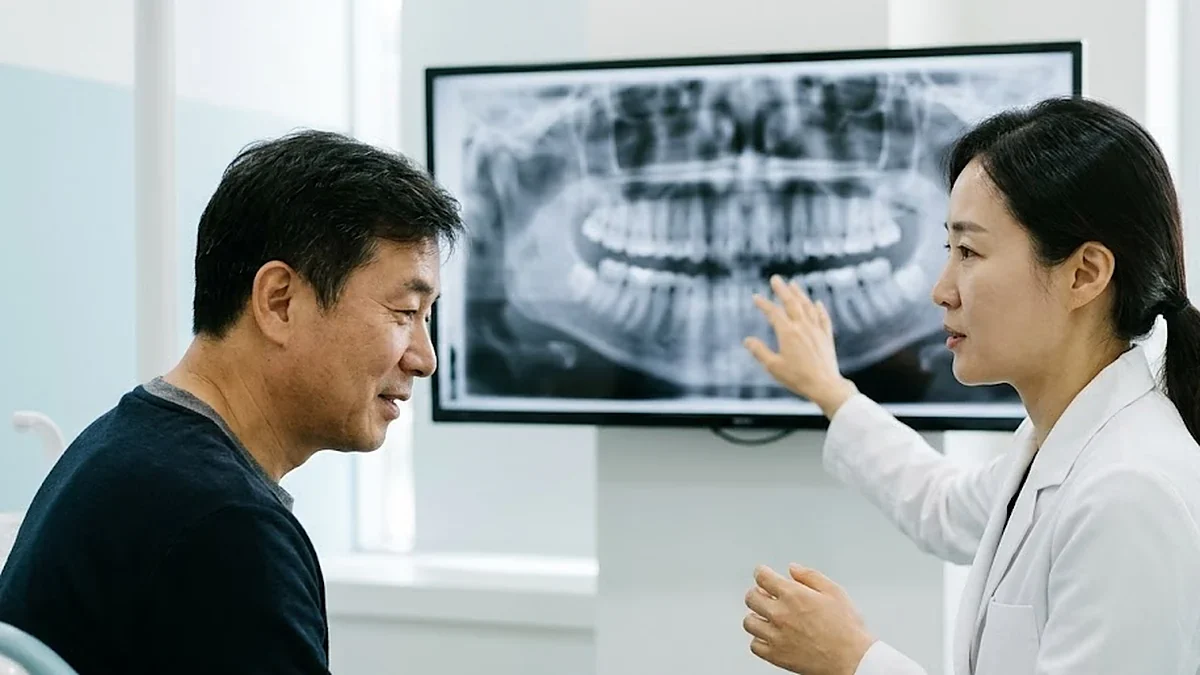
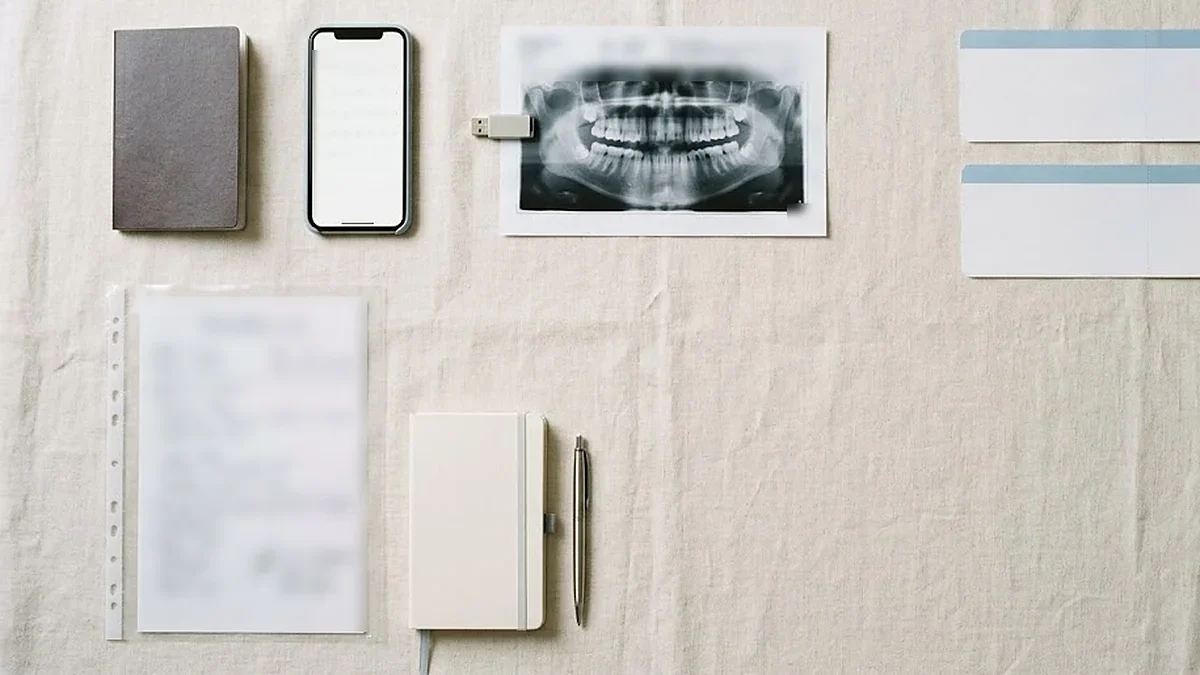
The key to an implant taking hold is osseointegration (the process by which the placed artificial root and the jawbone bond firmly together). After the artificial root is placed in the jawbone, it takes several months for bone to grow onto its surface, and Cambridge University Hospitals says this period usually takes 3–6 months, sometimes longer. Once osseointegration is complete, the abutment is connected, the gums are allowed to heal, and an impression is taken to make and fit the crown. The surgery to place the artificial root is called implant placement. So the length of treatment depends heavily on the amount and density of your jawbone. If a tooth was lost long ago, or gum disease has reduced the bone, there may not be enough bone to support the artificial root, and a bone graft to add bone may be needed first. At the upper back teeth, the maxillary sinus (the air space inside the cheekbone beside the nose) sits above the jaw, so if the bone height is insufficient, a sinus lift is added to raise the sinus floor and fill it with bone. Cambridge University Hospitals says that when a bone graft is needed, treatment is extended by at least four months, and the number of visits may also increase in that case, so check this at your consultation. For these reasons, cost and schedule cannot be fixed before the consultation and are decided only after checking the amount of bone, the position of nerves and the placement site with a panoramic X-ray (an X-ray that captures the whole mouth in one image) and CT (three-dimensional cross-sectional imaging).
Comparing Implant Options: Korean, Imported and Full-Arch Implants and Other Methods
Ways to replace a missing tooth fall broadly into implants, bridges and dentures, and within implants the options vary by manufacturer and scope. Korean implants use artificial roots made in Korea, such as Osstem, Dentium, DIO and MegaGen, and based on the SafeDoc price they cost less than imported products at the same clinic. Imported implants use products from overseas manufacturers such as Straumann of Switzerland, and they are listed at ₩800,000–₩1,300,000 more than Korean implants at the same clinic. If most of your teeth are missing, full-arch implants, which support an entire jaw on several implants, are considered, but they carry the highest cost, and the schedule depends on the treatment plan. There are also options other than implants. A bridge involves filing down the teeth on both sides of the gap and joining them like a bridge; it needs no surgery but requires filing down healthy neighboring teeth. Dentures are removable and need no surgery; they tend to cost less when replacing several teeth at once, but they hold less firmly. If you can visit Korea only once, you should also consider other methods that can be completed within your stay. Which option suits you depends on your remaining teeth, bone condition and how many visits you can make, so ask for the pros and cons of each option at your consultation.
| Option | How it works | Considered when | What to consider |
|---|---|---|---|
| Korean implants (Osstem, Dentium, DIO, MegaGen, etc.) | Korean-made artificial root + prosthesis | You want to keep costs down | Prices vary widely by manufacturer and model; confirm what is included with each clinic |
| Imported implants (Straumann BLT, BLX, etc.) | Overseas-made artificial root + prosthesis | You want a specific overseas manufacturer | ₩800,000–₩1,300,000 more than Korean implants at the same clinic |
| Full-arch implants | An entire jaw fixed on several implants | Most teeth are missing | Highest cost; schedule depends on the treatment plan |
| Bridge | Files down and connects the teeth on both sides | There are teeth on both sides to support it | Filing down is a bigger trade-off if the neighboring teeth are healthy |
| Dentures (partial or full) | Removable prosthesis | Surgery is difficult or the number of visits is limited | No surgery, but holds less firmly |
Even among Korean implants, surface treatment methods and price ranges differ by manufacturer, and which product is used is decided after looking at the amount and density of your jawbone and the placement site. Whether your implant is Korean or imported, get the manufacturer, model and size in writing when treatment is finished, and ask in advance whether the dentist who will look after you at home can work with that manufacturer's parts.
👉 Wondering how DIO and MegaGen differ? Compare the differences between DIO and MegaGen implants
Considerations: Risks, Side Effects, Failure and Who Should Not Have Them
⚠️ Be Sure to Tell the Clinic Before Surgery If
- You smoke: the risk that the implant fails to fuse with the bone rises sharply. Stopping smoking before surgery is recommended, and clinics differ on when to start, from 2 weeks to 6 months before surgery.
- You have a condition that affects bone healing, such as diabetes with poorly controlled blood sugar: surgery may be rescheduled for after it is under control.
- You take osteoporosis medicine (such as bisphosphonates) by mouth or by injection: you must tell the clinic.
- You take blood-thinning medicine (anticoagulants) or steroids: these can affect surgery and healing, so tell the clinic in advance and discuss whether to stop them with the doctor who prescribed them.
- You have gum disease that is being treated or has not been treated: gum treatment must be completed first.
- Your face and jawbone are still growing (such as in teenagers): implants are generally postponed until growth is complete.
Right after implant surgery, swelling, bruising, pain at the surgical site and minor bleeding are common, and discomfort usually lasts up to about a week. Rare risks to watch for include infection at the surgical site, injury to neighboring teeth or blood vessels, pain, numbness or tingling from nerve damage, and sinus problems when an upper-jaw implant enters the maxillary sinus. Numbness is very rare and usually resolves, but very rarely it can be permanent. If the implant does not bond adequately with the bone, it has to be removed, and Mayo Clinic says the procedure can then be tried again in about three months. One of the most important long-term problems to watch for is peri-implantitis (inflammation of the gum and bone around an implant), which a BMC Oral Health meta-analysis of 57 studies found in about 1 in 5 patients (19.53%) and 12.53% of implants. A Journal of Dentistry meta-analysis of 18 studies found a 10-year survival rate of 96.4%, but a sensitivity analysis accounting for patients lost to follow-up put it at 93.2%, and reported that the risk of losing an implant may roughly double in people aged 65 and over.
A systematic review found that in patients taking low-dose medicine for osteoporosis, implants may not raise the risk of osteonecrosis of the jaw (death of jawbone tissue), and survival was similar to that in healthy people. However, the review was based on 5 studies, most of them retrospective with short follow-up; in patients taking the same medicines, tooth extraction did raise the risk of osteonecrosis of the jaw; and data on high-dose medicines used in cancer treatment are insufficient. The actual decision is made by the clinic after checking the type, dose and duration of the medicine and consulting the prescribing doctor. If a problem arises after you return home, it is hard to go back to the clinic that treated you, so before surgery, get a way to contact the clinic and the records to pass on to a dentist at home.
| Risk | Details |
|---|---|
| Common reactions after surgery | Swelling, bruising, pain, minor bleeding. Discomfort usually lasts up to 1 week |
| Infection | Infection at the surgical site. The risk rises if post-operative instructions are not followed |
| Damage to surrounding structures | Injury to neighboring teeth or blood vessels |
| Nerve damage | Pain, numbness or tingling. Usually resolves, but very rarely permanent |
| Sinus problems | When an upper-jaw implant enters the maxillary sinus |
| Failure to fuse with the bone | The implant is removed and can be tried again in about 3 months. Smoking raises the risk |
| Peri-implantitis | 19.53% of patients, 12.53% of implants. Poor care can lead to losing the implant |
If You Get Treated in Korea: Cost, Number of Visits and Length of Stay
The cost of dental implants in Korea depends on the manufacturer of the artificial root, the number of implants and whether bone needs to be added. Based on the SafeDoc price (as of 2026-11-04) at 4 partner clinics, a Korean implant costs ₩790,000–₩1,250,000 (about $545–$862) for MegaGen or DIO and ₩1,700,000 (about $1,172) for Dentium or Osstem, while an imported implant costs ₩2,500,000 (about $1,724) for Straumann BLT and ₩3,000,000 (about $2,069) for BLX. Supporting an entire jaw on implants is listed at ₩20,000,000 (about $13,793) with Korean implants and ₩35,000,000 (about $24,138) with imported ones. If the jawbone is insufficient, a bone graft at ₩300,000–₩360,000 (about $207–$248) or a sinus lift at ₩600,000–₩1,000,000 (about $414–$690) may be added. Whether additional procedures are needed is known only after a CT scan. Prices for Korean implants vary widely, from ₩790,000 to ₩1,700,000, depending on the manufacturer and model, and what is included may also differ by clinic, so when comparing quotes, check the manufacturer and model of the artificial root, whether the price includes the abutment and crown, and whether examinations and bone grafts are charged separately.
Cost Range Table
| Item | Unit | KRW | USD |
|---|---|---|---|
| Korean implant (MegaGen, DIO) | 1 implant | ₩790,000 – ₩1,250,000 | $545 – $862 |
| Korean implant (Dentium, Osstem) | 1 implant | ₩1,700,000 | $1,172 |
| Imported implant (Straumann BLT) | 1 implant | ₩2,500,000 | $1,724 |
| Imported implant (Straumann BLX) | 1 implant | ₩3,000,000 | $2,069 |
| Full-arch implants (Korean) | 1 jaw | ₩20,000,000 | $13,793 |
| Full-arch implants (imported) | 1 jaw | ₩35,000,000 | $24,138 |
| Full-arch front-teeth esthetic add-on | 1 case | ₩300,000 | $207 |
| Bone graft | 1 site | ₩300,000 – ₩360,000 | $207 – $248 |
| Sinus lift | 1 procedure | ₩600,000 – ₩1,000,000 | $414 – $690 |
| Partial denture | 1 denture | ₩2,000,000 | $1,379 |
| Full denture | 1 jaw | ₩2,300,000 | $1,586 |
Amounts are the SafeDoc price (as of 2026-11-04); USD figures are reference values at ₩1,450/USD and change with the exchange rate. On the platform, DIAN Dental Clinic lists treatment and consultation as included and the other clinics list only consultation, and the final amount is confirmed at your consultation.
Number of Visits and Length of Stay
Implant treatment for patients from abroad is usually split into two visits. Based on partner clinics' guidance, on the first visit you are diagnosed and the artificial root is placed, and you stay about 5–7 days until the stitches are removed and healing is checked; after a 3–6 month osseointegration period, on the second visit you stay about 7–10 days while the prosthesis is made and fitted. If a bone graft or sinus lift is needed, the overall period is longer.
| When | What happens |
|---|---|
| Before you fly | If you have a recent panoramic X-ray or CT, send it when you book, and tell the clinic your medication list and how many times and for how long you can visit Korea |
| First visit, day 1 | Consultation, panoramic X-ray and CT, explanation of the treatment plan and total cost |
| During the first visit | Artificial root placed under local anesthesia (implant placement surgery); swelling and discomfort for about 3–5 days |
| First visit, around day 5–7 | Stitches removed and healing checked, then you fly home |
| Osseointegration, 3–6 months | Avoid putting excessive force on the surgical site and have regular check-ups with a dentist at home. Longer if you had a bone graft |
| Second visit, about 7–10 days | Abutment connected, impression or scan taken, prosthesis made and fitted, bite adjusted (how the upper and lower teeth meet) |
| After returning home | Check-ups and professional cleaning every 3–6 months |
👉 Wondering how to plan your days in Seoul during the first visit? See how many days to spend in Seoul
SafeDoc partner clinics where you can book dental implants are Impline Dental Clinic - Gangnam Samsung, Yonsei Good Day Dental Clinic - Suseo and Yangjae, and DIAN Dental Clinic. You can check the dentists and opening hours on each clinic page, and compare SafeDoc prices by treatment on SafeDoc's dental treatment list.
Recovery Timeline
| When | What to expect and watch for |
|---|---|
| Day of surgery | Cold compress; soft foods on the side opposite the surgery. Avoid alcohol for at least 24 hours |
| Day after surgery | Most people can return to their usual work |
| First 3–5 days | Swelling and discomfort continue. Avoid anything that creates pressure in the mouth, such as using straws or spitting forcefully |
| Up to 1 week | Most discomfort settles. Follow the clinic's instructions on brushing and rinsing the surgical site |
| About 5–14 days | Stitches removed and wound checked (5–7 days at partner clinics, 7–14 days in UK hospital guidance) |
| Up to 2 weeks | You may not be able to wear existing dentures. After a bone graft or sinus lift, avoid alcohol and smoking for at least 2 weeks and do not blow your nose |
| 3–6 months | Osseointegration period. Avoid putting excessive force on the surgical site and have regular check-ups with a dentist at home |

Because smoking raises the risk that the implant fails to fuse with the bone, it is best not to start smoking again after surgery. Avoid saunas and strenuous exercise until the clinic says it is fine. Partner clinics advise avoiding long-haul flights for a few days after surgery, so it is best to set your return flight together with the surgery date at your consultation.
👉 Facing a long flight home? See how to prepare for a long-haul flight
Before You Travel
- Medications: Tell the clinic when you book if you take osteoporosis medicine, blood-thinning medicine, steroids or diabetes medicine, and discuss whether to stop them with the prescribing doctor.
- Smoking and alcohol: Stop smoking before surgery (the recommended start varies by clinic, from 2 weeks to 6 months before surgery), and avoid alcohol for at least 24 hours after surgery, or at least 2 weeks after a bone graft or sinus lift.
- Documents: Passport (for registration and medical records), recent panoramic X-ray and CT files, and travel insurance whose coverage for treatment abroad and complications you have checked
- Companion: With surgery under local anesthesia, many people can return to normal activities the next day, but if you will have sedation, ask the clinic whether you need someone with you.
- Aftercare at home: Choose a dentist at home who will provide regular check-ups, and include the cost of travel home and any return visits in your budget.
❓ Frequently Asked Questions (FAQ)
Q1: How much does one dental implant cost in Korea?
Based on the SafeDoc price (as of 2026-11-04), Korean implants cost ₩790,000–₩1,700,000 and imported implants (Straumann) ₩2,500,000–₩3,000,000, and extra costs may be added depending on your bone condition.
- A bone graft (₩300,000–₩360,000) or sinus lift (₩600,000–₩1,000,000) may be added
- Whether additional procedures are needed is decided after a CT scan
- Check with each clinic whether the abutment and crown are included and whether examinations are charged separately
Q2: Can I complete dental implants in one visit?
Generally not. It usually takes 3–6 months for the artificial root to fuse with the bone, so patients from abroad usually visit twice.
- First visit of about 5–7 days per partner clinics' guidance: diagnosis, placement, stitch removal
- Second visit of about 7–10 days per partner clinics' guidance: prosthesis made and fitted
- If a bone graft is needed, the time and number of visits may increase
- If you can visit only once, also consider other methods that can be completed within your stay
Q3: Are there people who should not have dental implants?
If your jawbone is still growing, implants are generally postponed until growth is complete, and smoking, poorly controlled diabetes or untreated gum disease raise the risk of failure and need to be addressed first.
- Smoking: the risk of failed osseointegration rises sharply, so stopping before surgery is recommended
- Osteoporosis medicine, blood-thinning medicine and steroids: be sure to tell the clinic in advance
- If the jawbone is insufficient, a bone graft or sinus lift is done first or at the same time
Q4: What should I do if there is a problem with my implant after I return home?
Before you leave, get a way to contact the clinic and the records to pass on to a local dentist, and choose a dentist at home in advance to look after you.
- Records to get: the artificial root's manufacturer, model and size, X-rays and CT, and a treatment summary
- Contact the clinic right away if swelling or pain gets worse or numbness persists
- Continue check-ups and professional cleaning every 3–6 months after returning home
Q5: How long do dental implants last?
In one meta-analysis, the 10-year survival rate was around 93–96% depending on the method of analysis, but it varies with care, smoking and age.
- Analysis of 18 studies: 10-year survival of 96.4%, or 93.2% in the sensitivity analysis
- In people aged 65 and over, the risk of losing an implant may roughly double
- The tooth on top of the implant (the crown) can wear over time and may need replacing
Next Steps: What to Prepare Before Your Consultation
Preparing a few things before you request a consultation lets you get a much more accurate quote and schedule. First, if you have a panoramic X-ray or CT taken within the last 1–2 years, get it as a file. Sending it when you book makes it easier for the clinic to review your bone in advance and explain the likelihood of a bone graft and an approximate schedule. Write down your current medications with names and doses, and do not leave out osteoporosis medicine, blood-thinning medicine, steroids or diabetes medicine in particular. If you smoke, make a plan to stop before surgery, and decide in advance how many times, and for how many days each time, you can visit Korea, so that the treatment plan can be built around it. If you currently wear dentures, you may not be able to wear them for up to 2 weeks after surgery, so discuss in advance how you will manage during that time. At the consultation, confirm the manufacturer and model of the artificial root, whether the abutment and crown are included, the likelihood of a bone graft, the schedule for the first and second visits, how to contact the clinic if side effects occur, and how the cost of repeat surgery and return visits is handled if the implant fails to fuse with the bone. Finally, choose a dentist at home who will provide regular check-ups after you return, and when treatment is finished, get the manufacturer, model and size and your X-ray records to pass on to that dentist.
- Recent panoramic X-ray and CT files
- A list of medications (including osteoporosis medicine, blood-thinning medicine, steroids and diabetes medicine) and any underlying conditions
- How many times you can visit Korea and how long you can stay each time
- Questions for the clinic: manufacturer and model, whether the abutment and crown are included, likelihood of a bone graft, visit schedule, how to reach the clinic if side effects occur, and the cost of repeat surgery and return visits if the implant fails to fuse
- Details of the dentist who will look after you at home, and your passport for registration
If you would like to know about schedules and quotes for dental implants in Korea, you can ask through SafeDoc's consultation request.