Rhinoplasty in Korea: Costs by Surgical Method, Recovery Time and How Long to Stay
Published: 2026-10-30
Rhinoplasty is surgery that reshapes the nasal bridge, tip, nostrils or nasal bones to bring the nose into balance with the rest of the face. If you are looking into rhinoplasty in Korea, the first questions are usually "How much will it cost in total, and how long do I need to stay?" This guide walks through how prices are structured by surgical method, the recovery timeline that decides when you can fly home, and what to prepare before you travel.
💡 Quick Summary: At a Glance
- How costs work: In Korea, a rhinoplasty quote is built by adding items such as septal extension, osteotomy or extra cartilage to a base surgery (closed, open or tip). Based on the SafeDoc price (as of 2026-11-04), base surgery costs ₩2,500,000–₩5,500,000 and add-ons ₩1,200,000–₩3,500,000; check with each clinic what is included, such as anesthesia and tests.
- Length of stay: The external splint and stitches are usually removed about 1 week after surgery, and avoiding flights for 7–10 days after facial cosmetic surgery (2 weeks at some clinics) is recommended, so plan your flight home after that. The final decision is made by your surgeon after a follow-up check.
- Recovery: Swelling and pain are worst in the first week, and most people return to everyday work after about 3 weeks. Most swelling becomes less noticeable within a few months, but it can take up to a year to disappear completely.
- Check first if this applies to you: If you have a bleeding disorder such as hemophilia, find it hard to stop smoking, or take aspirin, ibuprofen, herbal remedies or supplements, discuss first whether surgery is possible and when to stop smoking or these medicines. If you are pregnant, postpone surgery until after delivery.
- VAT refund has ended: The VAT refund for foreign patients' cosmetic procedures ended on December 31, 2025. A bill to bring it back has been introduced, but as of late October 2026 it is not in effect.
🎯 Who This Guide Is For: People living outside Korea who are considering rhinoplasty in Korea and want to compare surgical methods, costs and length of stay before planning their trip.
What Is Rhinoplasty in Korea, and Who Is It For?
Rhinoplasty is surgery that reshapes the nasal bridge, tip, nostrils and nasal bones to bring the nose into balance with the face as a whole. In some cases, the inner structure of the nose is refined at the same time to correct breathing problems. According to Korea's Ministry of Health and Welfare, 2,011,822 foreign patients visited Korea in 2025, the first time the number passed 2 million, and plastic surgery accounted for 11.2% (233,100 patients) by specialty. In the same year, patients from the United States numbered 173,363, up 70.4% from the previous year. Rhinoplasty is usually considered when the bridge looks low or crooked, the tip looks bulbous or droopy, the nose looks short, or the nostrils are very visible from the front. On the other hand, a bleeding disorder such as hemophilia may mean you are not a candidate, and smoking must be stopped before surgery. If you have had nose surgery before, you must wait at least 1 year after the first operation before revision rhinoplasty (a second, corrective surgery). If the change you want is small and limited to one area, a narrower procedure is considered; if you want to change both the bridge and the tip, full rhinoplasty is considered. Either way, the final decision is made after an in-person examination of your skin thickness, the inner structure of your nose and your breathing.
What Shapes Your Nose, and How Is the Surgical Method Chosen?
The shape of your nose is formed by the nasal bones at the top, cartilage below them, and the septum (the supporting wall that divides the inside of the nose into left and right). The height and straightness of the bridge are mainly determined by the nasal bones and upper cartilage, while the height and direction of the tip are determined by the tip cartilage and the septum that supports it. Planning surgery therefore means deciding three things: which area to change, which incision to use, and what to support it with. Incisions fall into two approaches: closed, made only inside the nose, and open, which adds a small incision on the columella (the strip of tissue between the two nostrils). Support materials include the patient's own ear cartilage, septal cartilage or rib cartilage, donor rib cartilage (rib cartilage donated by another person), and dermis (the layer of tissue beneath the skin) taken from the buttock; implants are also sometimes used for larger changes, and implant-related risks are covered in the considerations section below. If the nose is wide or crooked, an osteotomy to reshape the nasal bones is added; if the nose is short, extending the septum to bring the tip forward is considered. At the consultation, your facial proportions from the front and side, the size of the change you want, your skin thickness, any previous nose surgery, breathing problems or a deviated septum, and the amount of cartilage available for support are checked to decide this combination. Even for the same "rhinoplasty," cost and length of stay change depending on this combination.
Rhinoplasty Options Compared by Surgical Method
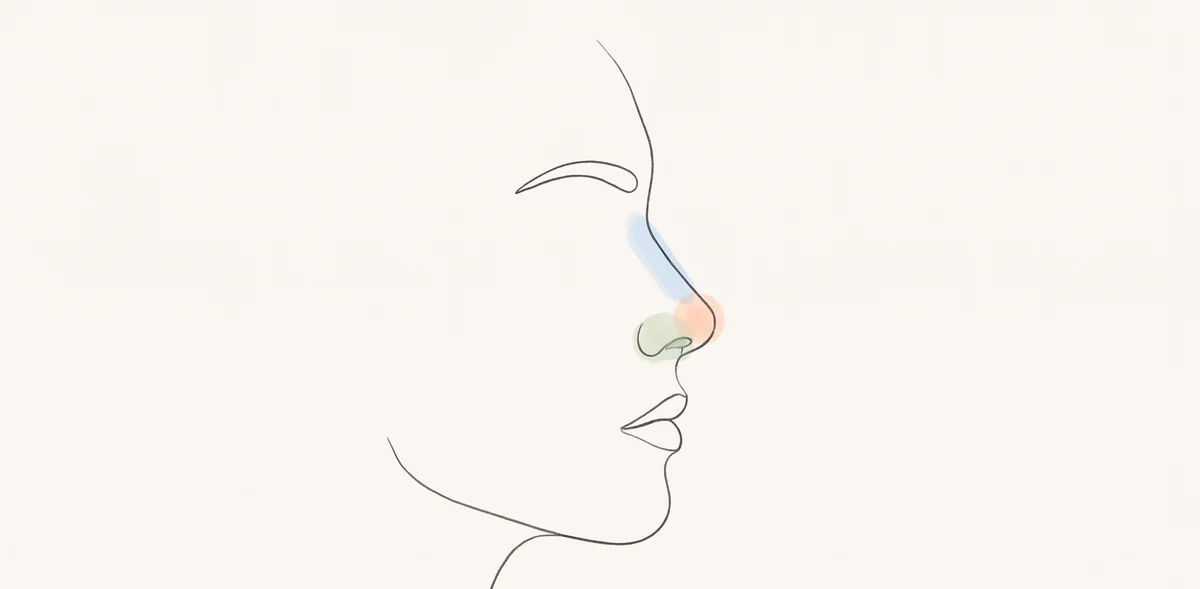
Rhinoplasty is not a single fixed operation but a combination of areas and techniques, so the scope of a "rhinoplasty" varies widely between clinics and patients. The advantage of closed rhinoplasty is that the bridge and tip are reshaped through incisions inside the nose only, so with no external incision there is less concern about external scarring. Open rhinoplasty adds a small incision on the columella, but can be used for complex corrections that address the bridge and tip together or for an overall change in nose shape. If you only want to change the tip, tip rhinoplasty using ear or septal cartilage is considered; if the nose is short, septal extension is considered. If the nasal bones are wide or crooked, an osteotomy is added; if the nostrils show a lot or the columella line looks unbalanced, nostril lowering or columella adjustment is added. When stronger support is needed, the patient's own rib cartilage or donor rib cartilage is added. Each method has limitations as well as advantages. Open rhinoplasty is used for complex corrections but adds a columella incision, while closed rhinoplasty leaves no external scar and causes relatively less swelling, but the surgeon's direct view of the nasal structure is limited, so it is not possible in every case. The more add-ons, the larger the scope of surgery and the cost. Which combination suits you depends on the change you want, your skin thickness and the condition of your cartilage, so ask for the pros and cons of each option at your consultation.
| Option | What it changes | Considered when | Points to consider |
|---|---|---|---|
| Closed rhinoplasty (incisions inside the nose) | Bridge and tip | The change needed is relatively small | Leaves no external scar and causes relatively less swelling, but the direct view of the nasal structure is limited, so it is not possible in every case |
| Open rhinoplasty (incisions inside the nose + columella) | Entire bridge and tip | Complex corrections, overall change in shape | Allows detailed correction with a direct view of the nasal structure, but leaves an incision scar on the columella, and in rare cases, tip swelling can last longer |
| Tip rhinoplasty (open) | Height and shape of the tip | You only want to change the tip | Uses ear or septal cartilage |
| Septal extension | Nose length and tip direction | The nose looks short | If support is insufficient, adding rib cartilage is considered at the same time |
| Osteotomy | Width and straightness of the nasal bones | The nasal bones are wide or crooked | The main cause of bruising and swelling around the eyes; usually worst on day 2–3 after surgery and mostly gone over 2–3 weeks |
| Nostril lowering / columella adjustment | Nostril show and the line under the nose | The nostrils are very visible from the front | Whether to combine it with other surgery is decided at the consultation |
| Added rib cartilage or dermis | Support strength and bridge volume | Cartilage is insufficient, or it is a revision surgery | The patient's own rib cartilage is taken from the chest, which can leave a chest scar and pain at the harvest site, with a rare risk of pneumothorax (air collecting around the lung) |
Considerations: Risks, Side Effects, Limitations and Who Should Not Have It
⚠️ Check First Before Surgery
- If you have a bleeding disorder such as hemophilia, you may not be a candidate for rhinoplasty.
- Avoid aspirin and ibuprofen from 2 weeks before until 2 weeks after surgery. Take only medicines your surgeon prescribes or approves, and avoid herbal remedies and supplements.
- Smoking and vaping slow wound healing and can cause tissue death, so stopping 4–8 weeks before surgery and not smoking for at least 4 weeks after surgery is recommended.
- If you have had nose surgery before, you must wait at least 1 year after the first operation before revision surgery.
- For teenagers, cosmetic rhinoplasty is usually performed after the nose reaches its adult size (about age 15–16 in girls and about a year later in boys). Growth varies from person to person, so this is judged by examination.
- If you are pregnant, cosmetic rhinoplasty should be postponed until after delivery.
The risks of rhinoplasty fall into those common to all surgery and those specific to nose surgery. Common risks are reactions to anesthesia, bleeding and infection. Risks specific to nose surgery include breathing problems, changes in sensation around the nose (numbness or pain, which can be permanent), lasting discoloration or swelling, scarring, an uneven-looking nose and a change in the sense of smell. Septal perforation, a hole in the septum, is rare, but if it occurs additional surgery may be needed, and in some cases it cannot be corrected. You should also understand before surgery that revision surgery may be needed if the result is not what you expected or a functional problem remains. Before you sign the consent form, ask your surgeon to explain these risks in detail and check which risks matter most for your nose and your health. There are also limits to when you can judge the result. Most swelling becomes less noticeable within a few months, but it can take up to a year to disappear completely, so the shape right after surgery cannot be considered the final result. Because the nose keeps changing slightly throughout life, it is also hard to say exactly when the final result is reached. This is why, even if you are considering revision surgery, you must wait at least 1 year after the first operation. If you have surgery abroad, decide in advance where you will receive follow-up care and treatment for any complications after you return home.
| Risk | Details |
|---|---|
| Anesthesia, bleeding, infection | Risks common to all surgery |
| Breathing problems | Difficulty breathing may develop or remain after surgery |
| Changes in sensation | Numbness or pain around the nose; numbness can be permanent |
| Septal perforation | Rare, but additional surgery may be needed, and in some cases it cannot be corrected |
| Scarring, discoloration, swelling | Delayed wound healing; discoloration or swelling can last a long time |
| Dissatisfaction with shape, asymmetry | Possibility of revision surgery |
| Change in sense of smell | Your sense of smell may change |
| Implant-related complications | When an implant (silicone, ePTFE, etc.) is used, infection, extrusion (the implant pushing out through the skin), displacement and contracture (surrounding tissue hardening and shortening the nose) can occur, and surgery to remove the implant may be needed |
If You Have It in Korea: Cost, Length of Stay and Recovery Timeline
The cost of rhinoplasty in Korea is set by adding items to a base surgery. Based on the SafeDoc price (as of 2026-11-04) at two partner clinics, base surgery is ₩2,500,000–₩5,500,000 (about $1,724–$3,793) for closed rhinoplasty, ₩3,000,000 (about $2,069) for open tip rhinoplasty, and ₩4,800,000–₩5,500,000 (about $3,310–$3,793) for open bridge-and-tip surgery. Items such as septal extension, nostril lowering and columella adjustment (₩1,200,000 each), donor rib cartilage (₩1,500,000), osteotomy (₩1,800,000) and the patient's own rib cartilage (₩3,500,000) are added to this. For example, adding septal extension and donor rib cartilage to open tip rhinoplasty comes to ₩5,700,000. Even surgery with the same name has different prices at different clinics, and the total depends on what is included and which add-ons are combined. When comparing quotes, check not only the surgical items but also whether anesthesia, pre-operative tests, medication and follow-up visits are included. The VAT refund for foreign patients' cosmetic procedures ended on December 31, 2025. A bill to bring it back has been introduced, but as of late October 2026 it is not in effect, so it is better not to plan your budget around a refund.
Cost Range Table
| Item | KRW | USD |
|---|---|---|
| Closed rhinoplasty | ₩2,500,000 – ₩5,500,000 | $1,724 – $3,793 |
| Tip rhinoplasty (open, ear or septal cartilage) | ₩3,000,000 | $2,069 |
| Open rhinoplasty (bridge and tip) | ₩4,800,000 – ₩5,500,000 | $3,310 – $3,793 |
| Add-on: septal extension | ₩1,200,000 | $828 |
| Add-on: nostril lowering / columella adjustment | ₩1,200,000 each | $828 each |
| Add-on: donor rib cartilage | ₩1,500,000 | $1,034 |
| Add-on: osteotomy | ₩1,800,000 | $1,241 |
| Add-on: dermal graft (buttock) | ₩2,500,000 | $1,724 |
| Add-on: patient's own rib cartilage | ₩3,500,000 | $2,414 |
Amounts are the SafeDoc price (as of 2026-11-04); USD figures are reference values at ₩1,450/USD and change with the exchange rate. The platform lists only consultation as included, and the final amount is confirmed at your consultation.
How Long You Need to Stay in Korea
When you can fly home is decided not by the recovery period but by when treatment at the clinic is finished. Internal dressings placed inside the nose are removed 1–7 days after surgery, and the external splint and stitches are usually removed about 1 week after surgery. Add to this the in-person consultation and tests before surgery; whether you are fit to fly is decided by your surgeon after a follow-up check.
👉 Not sure how to split the days before and after surgery in Seoul? See how many days to plan for Seoul
| Timing | What happens |
|---|---|
| Before surgery | In-person consultation and tests |
| 1–7 days after surgery | Internal dressings removed from inside the nose |
| About 1 week after surgery | External splint and stitches removed, follow-up check |
| Flying home | Both flying and surgery raise the risk of blood clots, so avoiding flights for 7–10 days after facial cosmetic surgery is recommended (2 weeks at some clinics). The final decision is made by your surgeon |
Recovery Timeline
| Period | Condition and precautions |
|---|---|
| First week | Pain and swelling are at their worst. Rest with your head raised above your chest |
| 1–3 weeks | Bruising and swelling on the cheeks and under the eyes gradually fade |
| About 3 weeks | Most people return to everyday work and light activity. Physically demanding jobs may take longer |
| Several weeks | Do not blow your nose |
| At least 4 weeks | Do not rest glasses or sunglasses on your nose |
| 4–6 weeks | Avoid strenuous exercise and contact sports. Some clinics advise avoiding contact sports for up to 3 months, so check with your surgeon before resuming |
| About 1 month | The initial shape can be seen |
| Several months to 1 year | Most swelling subsides. Because the nose keeps changing slightly throughout life, it is hard to say exactly when the final result is reached |
The splint must not get wet, so while you have a splint or bandages on your nose, take baths instead of showers and avoid hot baths. Wash your face gently without wetting the area around your nose, and start showering and washing your hair after the splint is removed, following your surgeon's instructions. When you go outside, apply SPF 30 sunscreen to your nose. You will spend much of the first week resting at your accommodation, so it helps to arrange food delivery and find a nearby pharmacy in advance.

👉 Worried about ordering food or finding a pharmacy while you recover? See the essential apps checklist for Korea
Before You Travel
- Medication: Stop aspirin and ibuprofen from 2 weeks before surgery and do not take them until 2 weeks after surgery. Take only medicines your surgeon prescribes or approves, and avoid herbal remedies and supplements.
- Smoking and alcohol: Stopping smoking and vaping 4–8 weeks before surgery and not smoking for at least 4 weeks after surgery is recommended. Alcohol can increase nosebleeds and swelling, so it should be avoided for a period after surgery; this period varies from 1 to 3 weeks by clinic, so check with your surgeon.
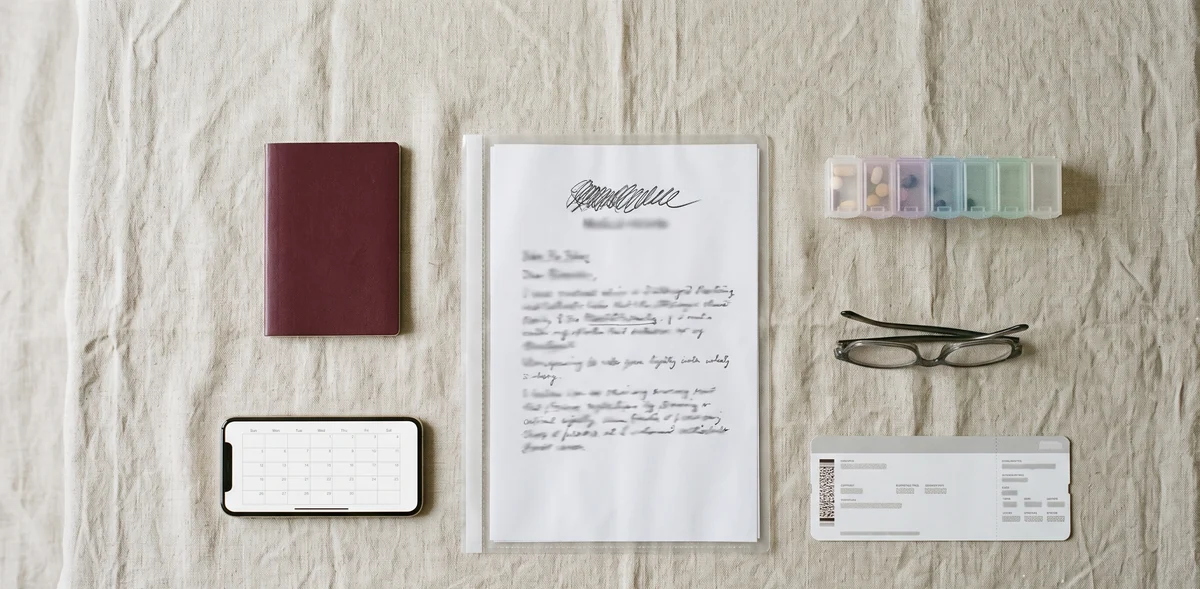
- Documents: Passport, insurance certificate (check whether it covers cosmetic surgery complications and treatment after you return home), a list of your current medications and medical conditions, and records of any previous nose surgery
- Glasses: You cannot rest glasses on your nose for at least 4 weeks after surgery, so if you wear glasses, discuss alternatives in advance.
- Companion: For the first few days after anesthesia, your memory, reaction time and judgment may be affected, so it is best to have a family member or friend stay with you for the first night or two.
SafeDoc partner clinics that offer rhinoplasty include Glovi Plastic Surgery and Gangnam Seoyon Plastic Surgery Clinic, and you can compare each clinic's rhinoplasty items and SafeDoc prices in the SafeDoc rhinoplasty treatment list.
❓ Frequently Asked Questions (FAQ)
Q1: How much does rhinoplasty in Korea cost in total?
Based on the SafeDoc price (as of 2026-11-04), add-ons are added to a base surgery of ₩2,500,000–₩5,500,000, so the total varies widely even for the same rhinoplasty.
- Add-ons: septal extension ₩1,200,000, osteotomy ₩1,800,000, patient's own rib cartilage ₩3,500,000, etc.
- Check with each clinic what is included, such as anesthesia, tests, medication and follow-up visits
- The VAT refund for foreign patients' cosmetic procedures does not apply after December 31, 2025
Q2: Can I still get a VAT refund on cosmetic surgery as a foreign patient in 2026?
The VAT refund for foreign patients' cosmetic procedures ended on December 31, 2025, so it is better not to plan your budget around a refund for now.
- The previous system refunded the VAT, which was 10% of the procedure fee, and after the refund agent's commission the actual refund rate was lower than 10%
- A bill to restore the refund until 2029 was introduced on August 13, 2026, but as of late October 2026 it is not in effect
- Calculate your budget at the SafeDoc price, without a refund
Q3: How many days do I need to stay in Korea for rhinoplasty?
The external splint and stitches are removed about 1 week after surgery, so add the pre-operative consultation period and plan your flight home no earlier than that.
- 1–7 days after surgery: internal dressings removed
- About 1 week after surgery: splint and stitches removed
- The recommended total stay varies by clinic and the scope of surgery, so confirm it at your consultation
Q4: When can I fly after rhinoplasty?
Avoiding flights for 7–10 days after facial cosmetic surgery (2 weeks at some clinics) is generally recommended, and the final decision is made by your surgeon after the splint is removed and your recovery is checked.
- Reason: both flying and surgery raise the risk of blood clots
- Do not blow your nose or rest glasses on your nose during the flight
- Decide in advance where you will receive follow-up care after you return home
Q5: Are there cases where I should not have rhinoplasty?
A bleeding disorder such as hemophilia may mean you are not a candidate, and smoking and certain medications must be stopped before surgery.
- Aspirin and ibuprofen: stop from 2 weeks before to 2 weeks after surgery; avoid herbal remedies and supplements
- Revision surgery: at least 1 year after the first operation
- Age: after nasal growth is complete (about age 15–16 in girls and about a year later in boys); this varies by person and is judged by examination
- Pregnancy: postpone until after delivery
Next Steps: What to Prepare Before Your Consultation
Preparing a few things before you request a consultation helps you get a much more accurate quote and schedule. First, prepare photos of your face taken from the front and both sides, and a note describing the area you want to change and how much change you want. Photos taken without glasses in bright natural light, from the front, both sides and from below, can show the shape of your tip and nostrils as well. If you have had nose surgery before, you will need records showing when it was done and which materials were used, and you should also share a list of your current medications and medical conditions and whether you have any breathing problems. It is a good idea to prepare questions for the clinic about the proposed surgical method and support materials, what the quote includes, the visit schedule before and after surgery and the recommended length of stay, and what happens if a problem arises after you return home. Book your flight home after the splint is removed, and because swelling can take up to a year to disappear completely, avoid scheduling surgery right before an important event. If you receive answers from several clinics, compare the scope of surgery, support materials and inclusions side by side on the same basis. Confirming the final surgical method and length of stay in writing before you travel reduces the chance of last-minute schedule changes.
- Photos of your face from the front, both sides and below
- A note on the area you want to change and the change you want
- Records of any previous nose surgery, and a list of your medications and medical conditions
- Questions for the clinic: surgical method and support materials, inclusions, length of stay, and what happens after you return home
👉 Facing a long flight home? See how to prepare for a long-haul flight
If you would like to know the schedule and cost of rhinoplasty in Korea for your case, you can contact us through Request a SafeDoc consultation.