Liposuction in Korea: Cost by Body Area, Recovery Time and How Long to Stay
Published: 2026-11-20
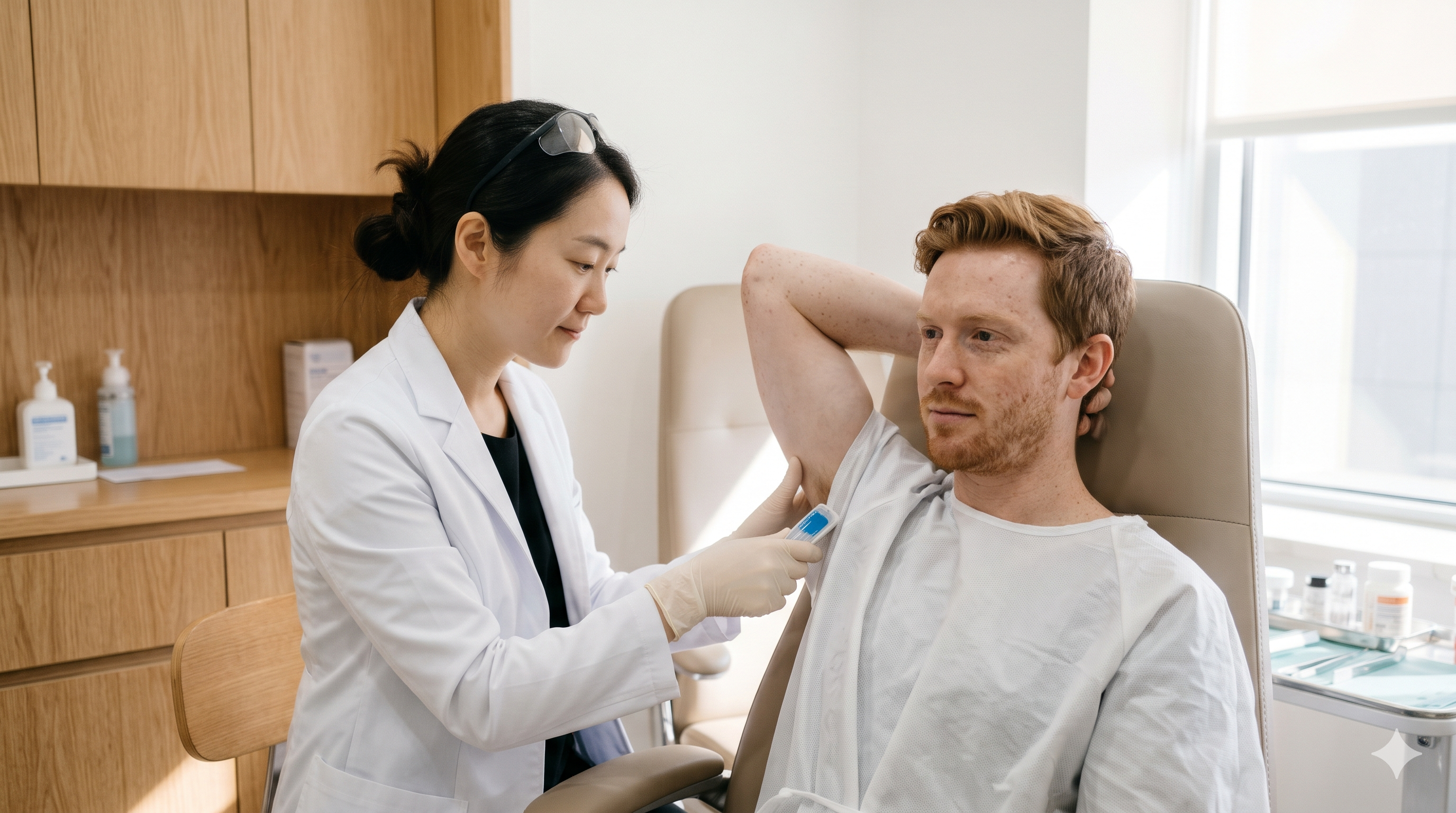
Liposuction is surgery that makes small cuts in the skin and inserts a thin tube (cannula) to suction fat from specific areas and reshape the body's contours. It is used for stubborn local fat that does not go down easily with exercise and diet, such as on the abdomen, thighs, arms, back and under the chin, and it is not a way to lose weight. This guide covers, in order, what patients from abroad looking into liposuction in Korea want to know: costs and methods by body area, how many days to stay in Korea after surgery, and the risks to check before surgery.
💡 Quick Summary: At a Glance
- Who it suits: It suits people whose weight is stable and who have local fat that does not go down easily with exercise and diet. It is not a treatment for obesity or a way to lose weight, and it does not remove cellulite or stretch marks.
- Check first: If you have a condition that complicates surgery, such as blood flow problems, coronary artery disease (narrowing of the heart's blood vessels), diabetes or a weakened immune system, it is recommended that you avoid liposuction. You may be told to stop blood-thinning medicine and anti-inflammatory painkillers at least 1 week before surgery, so discuss this in advance with the doctor who prescribed them. The risk rises if a large area is treated or if you have other surgery at the same time.
- Length of stay: The American Society of Plastic Surgeons (ASPS) and the UK's National Health Service (NHS) advise putting off flying for 5–7 days after liposuction. Including your consultation and tests before surgery, plan to stay in Korea for at least 1 week.
- Cost: Based on the SafeDoc price (as of 2026-11-04), one area costs from ₩550,000 (about $379) up to ₩4,500,000 (about $3,103), the full abdomen ₩6,800,000 (about $4,690) and the full thighs ₩6,200,000 (about $4,276). Even for the same "one area," prices differ widely between clinics, and the SafeDoc price alone does not show whether the area covered, anesthesia and inclusions are the same, so check with each clinic.
- Recovery: You wear a compression garment for a few weeks, light exercise is possible from 3–4 weeks, and you are advised to avoid strenuous exercise for 10–12 weeks. Swelling and bruising can last up to 6 months.
🎯 Who This Guide Is For: People living abroad who are considering liposuction in Korea and want to compare costs by body area, how long they need to stay in Korea and the risks before planning their trip.
What Is Liposuction in Korea, and Who Is It For?
Liposuction is surgery that changes the body's contours by directly removing fat cells from specific areas, so its purpose differs from treatments that reduce overall body weight. In 2025 figures by medical specialty from Korea's Ministry of Health and Welfare, plastic surgery accounted for 233,100 (11.2%) of the international patients who came to Korea. If you have blood flow problems, coronary artery disease, diabetes or a weakened immune system, it is recommended that you avoid liposuction; otherwise, liposuction suits people whose weight is stable, who are in good health, and who have local fat that does not go down even after changing their lifestyle. The firmer and more elastic the skin in an area, the more easily it settles smoothly after the fat is removed. On the other hand, if you are overweight, diet, exercise or other surgery can reduce your weight more than liposuction, and liposuction does not remove cellulite or stretch marks. If you maintain your weight, the results generally last a long time, but if you gain weight later, where the fat builds up can change. For example, fat can build up on the abdomen regardless of which area was treated first. What patients from abroad especially need to know is that this is not surgery you can fly home from the day after. You have to wait until it is safe to fly, and you will spend a few weeks wearing a compression garment, so you need to plan your stay and your life after returning home together.
How Is Liposuction Done? Methods, Anesthesia and Volume Removed
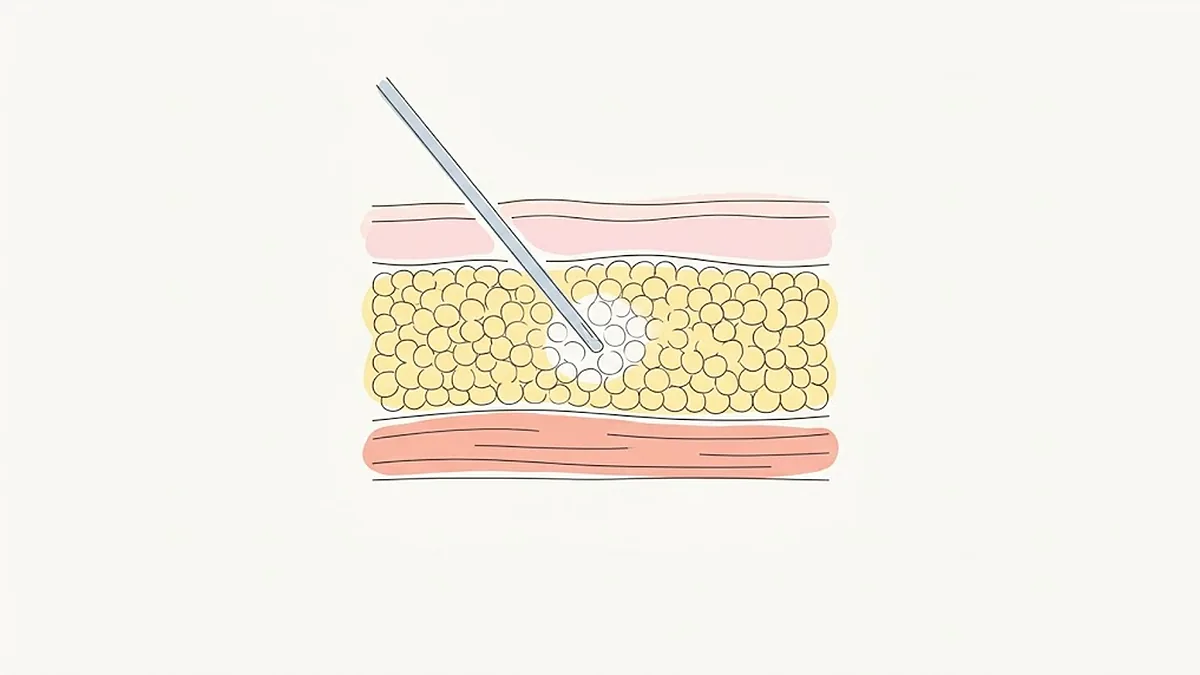
The surgery time, recovery and risks of liposuction depend on how the fat is removed, the anesthesia method and how much is removed. The most common method first injects the fat layer with a saltwater (saline) solution mixed with a medicine to reduce pain and a medicine to narrow blood vessels, then suctions the fat out through a thin tube. There are also methods that break down fat cells with ultrasound before removing them, that break down fat with a laser before removing it, and that remove tough fat with a rapidly moving tube, and which method is used is decided based on the area and the amount of fat. Anesthesia is local anesthesia with sedation (twilight anesthesia) or general anesthesia, and the NHS says it is usually done under general anesthesia; surgery usually takes 1–3 hours and longer if the area is large. The NHS says most people stay in hospital overnight, and Mayo Clinic explains that people go home after a few hours of monitoring but may stay overnight if a large amount was removed. The amount removed also matters. ASPS guidelines define 5,000 mL (5 L) or more as large-volume liposuction, and in a study of more than 4,500 patients, the complication rate when more than 5 L was removed was 3.7%, higher than when less was removed (1.1%), and the added complications were mostly seromas (fluid collecting under the skin). The researchers explained that the safe amount to remove depends on body weight (body mass index).
Comparing Options by Area: Face, Arms, Abdomen, Thighs, Full Body and Non-Surgical Methods
Each area differs in the amount of fat, skin condition and extent of surgery, so the cost and recovery burden differ too. Facial liposuction, such as under the chin and on the cheeks, covers a small area, while arms, back, flanks and calves are priced separately by area in partner clinics' SafeDoc prices. Large areas such as the full abdomen or full thighs mean more is removed at once, and treating the full upper body or full lower body at once further increases the volume removed and the surgery time, and the risk with it. Whether to have several areas done at once or split them up is decided at the consultation based on how much needs to be removed, your health and the length of your stay. If surgery feels like too much, you may think of non-surgical methods such as fat-dissolving injections, but the US Food and Drug Administration (FDA) warns that it has approved just one fat-dissolving injection, and that one is for fat under the chin, and that permanent scars, serious infections and skin deformities have been reported with unapproved fat-dissolving injections. The FDA stresses that the exact number and location of injections matter for safety, so if you are considering a non-surgical method, check the ingredients, approval status, and the number and location of injections first. In areas where the skin has lost elasticity, results can be limited whatever the method.
| Area | Consider when | Things to consider |
|---|---|---|
| Face (under the chin, jowls, cheeks) | Double chin or fat on the lower cheeks stands out | Small area. Results depend on skin elasticity |
| Arms | Fat on the back of the arms stands out | If the skin is thin and has lost elasticity, the area can look loose after fat is removed (applies to all areas) |
| Abdomen (upper, lower, full) | Belly fat that does not go down with exercise | More is removed for the full abdomen. Results depend on skin elasticity |
| Thighs (inner, outer, full) | Thigh fat stands out | A large area, so compression garment care and recovery time matter |
| Back, flanks, hip line, calves | Local fat in each area | Cost and risk rise together as more areas are added |
| Full upper body or full lower body | You want several areas reshaped at once | A large volume is removed, so be sure to check the hospital stay and monitoring plan and the expected volume |
| Non-surgical methods (fat-dissolving injections) | You want to avoid surgery | According to the FDA, no fat-dissolving injection is approved for use on the body. Permanent scars, serious infections, skin deformities and cysts reported with unapproved products |
Considerations: Risks, Side Effects, Limitations and Who Should Not Have It
⚠️ When to avoid liposuction or be sure to tell the clinic before surgery:
- If you have a condition that complicates surgery, such as blood flow problems, coronary artery disease, diabetes or a weakened immune system, it is recommended that you avoid liposuction.
- You may be told to stop blood-thinning medicine and anti-inflammatory painkillers at least 1 week before surgery. Tell the clinic about all medicines, supplements and herbal medicines you take, and discuss with the doctor who prescribed them whether to stop.
- If your goal is to lose weight or your weight is not yet stable, liposuction may not suit you.
- The risk rises if you have other cosmetic surgery at the same time or if a large area is treated, so tell the clinic about all the surgery you plan to have.
- If you have ever had a blood clot, be sure to tell the clinic, since the risk is greater when a long flight and surgery are combined.
After liposuction, pain, swelling and bruising are common, and swelling and bruising can last up to 6 months; numbness usually improves within a few weeks, but in rare cases it can last for months or longer or be permanent. The results can be lumpy or the skin can look wavy and uneven, which may be permanent, and if fluid collects it may need to be drained with a needle. Although rare, there are also complications that can be life-threatening, such as infection, organ damage when the tube goes too deep, fat embolism (fat fragments traveling through blood vessels to the lungs or brain), kidney and heart problems caused by fluid shifts when a large amount is removed, and toxicity from the anesthetic (lidocaine). In an Aesthetic Surgery Journal study of 31,010 liposuction procedures, major complications that needed an emergency room visit, hospital admission or another operation within 30 days of surgery occurred in 0.7% of those who had liposuction alone, but the risk of major complications was about 4.8 times higher when other surgery was done at the same time. Also, when liposuction was added to another cosmetic surgery, the risk of blood clots was about 5.7 times that of having that surgery alone. The American Society of Plastic Surgeons warns that long flights and surgery each raise the risk of blood clots and pulmonary embolism, and that the risk is greater when the two are combined. If you develop severe pain or unexpected symptoms after surgery, contact the clinic that operated on you right away.

| Risk | Details |
|---|---|
| Common reactions | Pain, swelling, bruising. Swelling and bruising up to 6 months |
| Uneven contours | Lumpy or wavy skin. May be permanent |
| Numbness | Usually improves, but in rare cases can last for months or longer or be permanent |
| Fluid collection (seroma) | May need draining with a needle. More common the more is removed |
| Infection | Rare, but can be life-threatening if severe |
| Organ damage | Happens when the tube goes too deep and may need emergency surgery |
| Fat embolism | An emergency in which fat fragments travel through blood vessels to the lungs or brain |
| Blood clots | A clot in a leg vein that travels to the lungs causes pulmonary embolism. Adding liposuction to another cosmetic surgery raised the risk of blood clots about 5.7 times compared with that surgery alone |
| Kidney and heart problems, lidocaine toxicity | Can be caused by fluid shifts or the anesthetic when a large amount is removed |
| Unsatisfactory result | Uneven results and other issues may need further surgery, so check in advance how the cost would be handled |
👉 What symptoms appear when a blood clot reaches the lungs? Learn the symptoms of pulmonary embolism and when to go to hospital right away
If You Get Treated in Korea: Cost by Area, Length of Stay and Recovery Timeline
The cost of liposuction in Korea depends on the area, the extent, the anesthesia method and the clinic. Based on the SafeDoc price (as of 2026-11-04) at 2 partner plastic surgery clinics, Clinic A charges ₩550,000 (about $379) for one body area and says ₩165,000 (about $114) is added for sedation on body areas if you want it. Clinic B charges ₩2,500,000 (about $1,724) for partial facial liposuction (double chin, jowls, cheeks), ₩5,000,000 (about $3,448) for the full face, ₩4,500,000 (about $3,103) for one area of the arms or upper or lower abdomen, and ₩4,000,000 (about $2,759, up to about ₩4,500,000 depending on the patient) for one area of the back, flanks, hip line or calves. The full abdomen is listed at ₩6,800,000 (about $4,690), the full thighs at ₩6,200,000 (about $4,276), and the full upper body and full lower body at ₩16,000,000 (about $11,034) each, which can rise to about ₩20,000,000 (about $13,793) depending on the patient. Even for the same "one area," prices differ widely between clinics, and the SafeDoc price alone does not show whether what "one area" covers, the suction method, anesthesia and inclusions are the same, so when you compare quotes, check the area to be treated, the expected volume, and whether anesthesia, hospital stay, compression garments and post-surgery care are included. The ASPS estimate of the 2024 US cost range for body liposuction, based on average fees reported by its member surgeons, is $4,300–$7,500, but because what is included differs, it is hard to compare directly.
Cost Range Table
| Item | Basis | KRW | USD |
|---|---|---|---|
| Body liposuction (Clinic A) | 1 area | ₩550,000 | $379 |
| Added sedation (Clinic A, optional) | 1 time | ₩165,000 | $114 |
| Partial face (double chin, jowls, cheeks; Clinic B) | 1 surgery | ₩2,500,000 | $1,724 |
| Full face (Clinic B) | 1 surgery | ₩5,000,000 | $3,448 |
| Arms, upper abdomen, lower abdomen (Clinic B) | 1 area | ₩4,500,000 | $3,103 |
| Back, flanks, hip line, calves (Clinic B) | 1 area | ₩4,000,000 ~ ₩4,500,000 | $2,759 ~ $3,103 |
| Full abdomen (Clinic B) | 1 surgery | ₩6,800,000 | $4,690 |
| Full thighs (Clinic B) | 1 surgery | ₩6,200,000 | $4,276 |
| Full upper body (Clinic B) | 1 surgery | ₩16,000,000 ~ ₩20,000,000 | $11,034 ~ $13,793 |
| Full lower body (Clinic B) | 1 surgery | ₩16,000,000 ~ ₩20,000,000 | $11,034 ~ $13,793 |
Amounts are the SafeDoc price (as of 2026-11-04); USD figures are reference values at ₩1,450/USD and change with the exchange rate. Both clinics list only "consultation" as included on the platform, and the final amount is confirmed at your consultation.
Length of Stay and Schedule
Liposuction is a single operation, but how long you stay in Korea should be set by when it is safe to fly. The American Society of Plastic Surgeons and the NHS advise putting off flying for 5–7 days after liposuction, so plan around at least 1 week in total, adding at least 5–7 days after surgery to 1–2 days of consultation and tests before surgery. If a large area or several areas were treated, recovery and check-ups can take longer, and whether stitches need to be removed also varies by clinic, so it is best to set your exact return date with the clinic after seeing your condition after surgery. The American Society of Plastic Surgeons advises avoiding sunbathing, alcohol, swimming and strenuous sightseeing after surgery, so it is best not to fill your stay with sightseeing.
| Timing | Details |
|---|---|
| Before you travel | List your medicines and supplements, discuss with the prescribing doctor which to stop (at least 1 week before), confirm your weight is stable |
| Days 1–2 after arrival | Consultation, marking the areas and photos, pre-surgery tests, confirm the area to be treated and total cost |
| Day of surgery | Local anesthesia with sedation (twilight anesthesia) or general anesthesia, 1–3 hours. Leave the clinic after a few hours of monitoring, or stay overnight in hospital |
| Day after surgery to a few days | Check-up, wear the compression garment, light walking |
| From 5–7 days after surgery | Fly home after the clinic confirms you are ready. Ask the clinic about wearing the compression garment and moving around often during the flight |
| For a few weeks after returning home | Wear the compression garment |
| Up to 6 months after returning home | Manage swelling, check-ups with a doctor in your home country |
👉 Planning the days before surgery or your companion's time in Seoul? Find out how many days are right for a Seoul trip
SafeDoc partner plastic surgery clinics where you can book liposuction are Planner Plastic Surgery (Clinic A in the cost table) and Glovi Plastic Surgery (Clinic B). You can check the doctors and opening hours on each clinic's page, and compare SafeDoc prices by area in SafeDoc's plastic surgery treatment list.
Recovery Timeline
| Period | Condition and precautions |
|---|---|
| Day of surgery | If you leave the clinic the same day, you need someone to take you back to where you are staying and stay with you at least the first night (the first 24 hours after general anesthesia) |
| First few days | Pain, swelling, bruising. Walking and light movement are fine |
| After a few days | Return to work possible depending on your job and the area treated |
| First 2 weeks | Avoid strenuous activity |
| For a few weeks | Wear the compression garment or compression bandages at all times |
| 3–4 weeks | Light exercise can start |
| 10–12 weeks | Avoid strenuous exercise until this point |
| Up to 6 months | Swelling and bruising go down and the contours settle |
Before You Travel
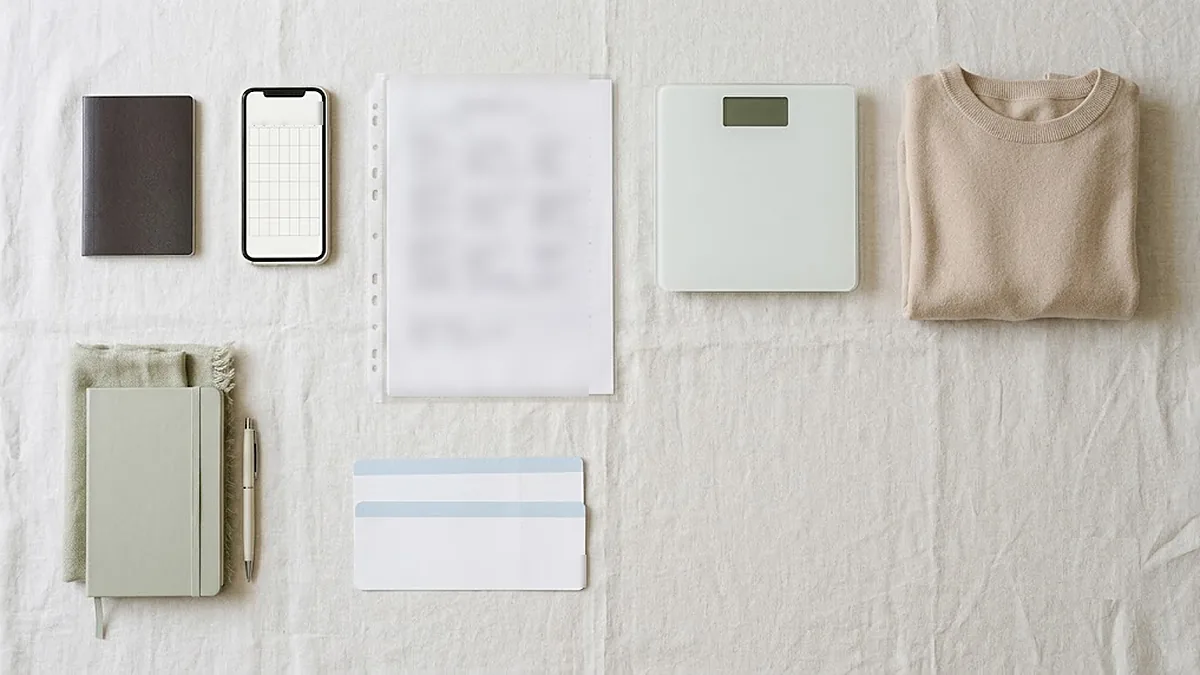
- Medicines: Tell the clinic when you book if you take blood-thinning medicine, anti-inflammatory painkillers, supplements or herbal medicines, and discuss with the doctor who prescribed them whether and when to stop.
- Weight: Check that your weight has been stable for the few months before surgery, and plan to keep it stable after surgery.
- Documents: Passport (for registration and medical records), a list of your medicines and records of any underlying conditions. Standard travel insurance often does not pay for surgical complications, so check with both the clinic and your insurer who pays for complications and any further surgery.
- Smoking and alcohol: If you smoke, confirm at the consultation how long to stop before and after surgery, and do not drink alcohol during your stay after surgery.
- Companion: If you leave the clinic the same day, you need someone to take you back to where you are staying and stay with you at least the first night (the first 24 hours after general anesthesia).
- Care after you return home: Follow-up care after you return home can be limited with overseas surgery packages, so choose a doctor in your home country to check your progress, and get your surgical records (areas treated, volume removed, method) after surgery to take home.
👉 Is your flight home a long one? Learn how to prepare for a comfortable long-haul flight
❓ Frequently Asked Questions (FAQ)
Q1: How much does liposuction cost by area in Korea?
Based on the SafeDoc price (as of 2026-11-04), one area costs ₩550,000–₩4,500,000, the full abdomen ₩6,800,000, the full thighs ₩6,200,000 and partial facial liposuction ₩2,500,000.
- Full upper body or full lower body ₩16,000,000, up to about ₩20,000,000 depending on the patient
- Even for the same "one area," the area covered, method, anesthesia and inclusions differ, so prices vary widely
- Check with each clinic whether anesthesia, hospital stay, compression garments and post-surgery care are included
Q2: How many days do I need to stay in Korea after liposuction?
It is recommended to put off flying for 5–7 days after liposuction, so plan around at least 1 week including your consultation and tests before surgery.
- 1–2 days for consultation and tests before surgery
- Can be longer if a large area or several areas are treated
- Set your exact return date with the clinic after seeing how you recover
Q3: Is there anyone who should not have liposuction?
If you have a condition that complicates surgery, such as blood flow problems, coronary artery disease, diabetes or a weakened immune system, it is recommended that you avoid it, and it does not suit people whose goal is to lose weight.
- Major complications 0.7% with liposuction alone, risk about 4.8 times higher with other surgery at the same time
- Rarely, serious complications such as fat embolism, organ damage and lidocaine toxicity
- Prepare: a list of your medicines and supplements and of any other surgery you plan to have
Q4: Are liposuction results permanent?
If you maintain your weight, the results generally last a long time, but if you gain weight, where the fat builds up can change.
- Up to 6 months for swelling to go down and the contours to settle
- Skin elasticity declines with age
- Uneven contours can be permanent
Q5: Can I have several areas done at once?
It is possible in some cases, but the risk rises with a larger area and volume and with other surgery at the same time, so check the expected volume and the hospital stay and monitoring plan first.
- 5 L or more is classed as large-volume liposuction
- In a study of more than 4,500 patients, complications were 3.7% when more than 5 L was removed (1.1% otherwise)
- If your stay is short, also ask about splitting the areas across separate surgeries
Next Steps: What to Prepare Before Your Consultation
Preparing a few things before you request a liposuction consultation helps you get a more accurate plan for the area to be treated, quote and length of stay. First, prepare photos of the areas you want to reduce from the front, side and back, and decide the order of priority starting with the area that concerns you most. Writing down your height, weight and weight changes over the last few months makes it easier for the clinic to judge whether liposuction suits you and how much may need to be removed. Write down the names and doses of the medicines, supplements and herbal medicines you take, and discuss with the doctor who prescribed them in advance, since blood-thinning medicine or anti-inflammatory painkillers may need to be stopped before surgery. If you have had diabetes, heart disease or a blood clot, be sure to prepare your records, and if you plan to have other surgery at the same time, tell the clinic in advance since the risk can rise. At the consultation, confirm the exact areas to be treated, the expected volume, the suction method, the anesthesia method, whether you will stay in hospital, what the total cost includes, how long to wear the compression garment, and how costs are handled if complications occur or further surgery is needed. Finally, choose a doctor in your home country to check your progress after you return, and get your surgical records showing the areas treated and the volume removed to pass on to them.
- Photos of the areas you want to reduce from the front, side and back, and their order of priority
- Your height, weight and weight changes over the last few months
- A list of your medicines, supplements and herbal medicines, any underlying conditions, and any history of blood clots
- How long you can stay in Korea (at least 1 week from arrival to departure)
- Questions to ask the clinic: areas to be treated, expected volume and method, anesthesia and hospital stay, what the total cost includes, how long to wear the compression garment, how costs for complications and further surgery are handled
If you would like to know more about the areas and schedule for liposuction, you can ask through SafeDoc's consultation request.