What Is a Pulmonary Embolism? Causes, Symptoms & Treatment
💡 Quick Summary: At a Glance
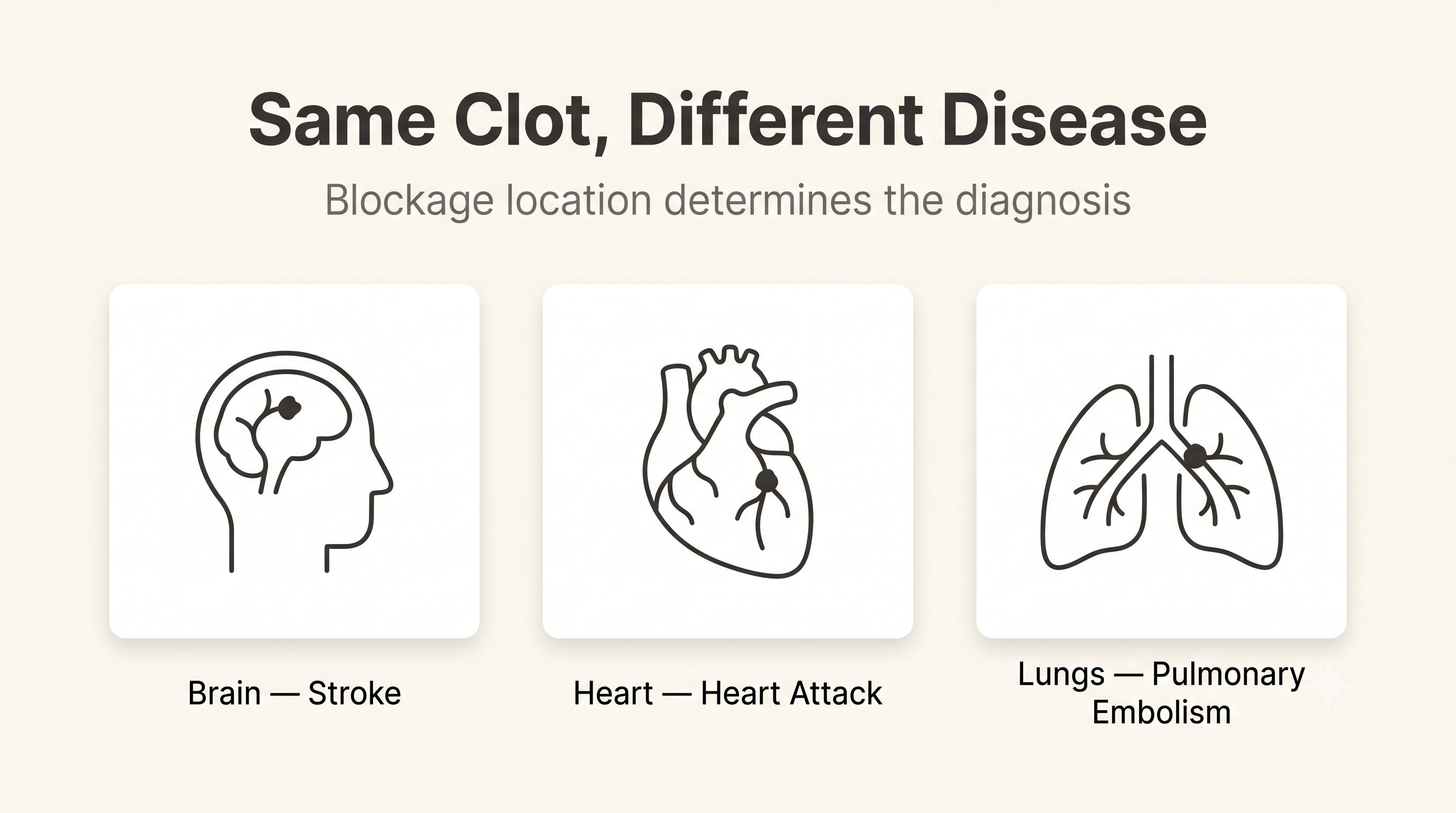
- What it is: A blood clot — often formed in the leg veins — travels through the bloodstream and blocks an artery in the lungs, a medical emergency that can be life-threatening if untreated.
- Warning signs: Sudden shortness of breath, chest pain, fainting, or cyanosis require an immediate ER visit, regardless of your risk factors.
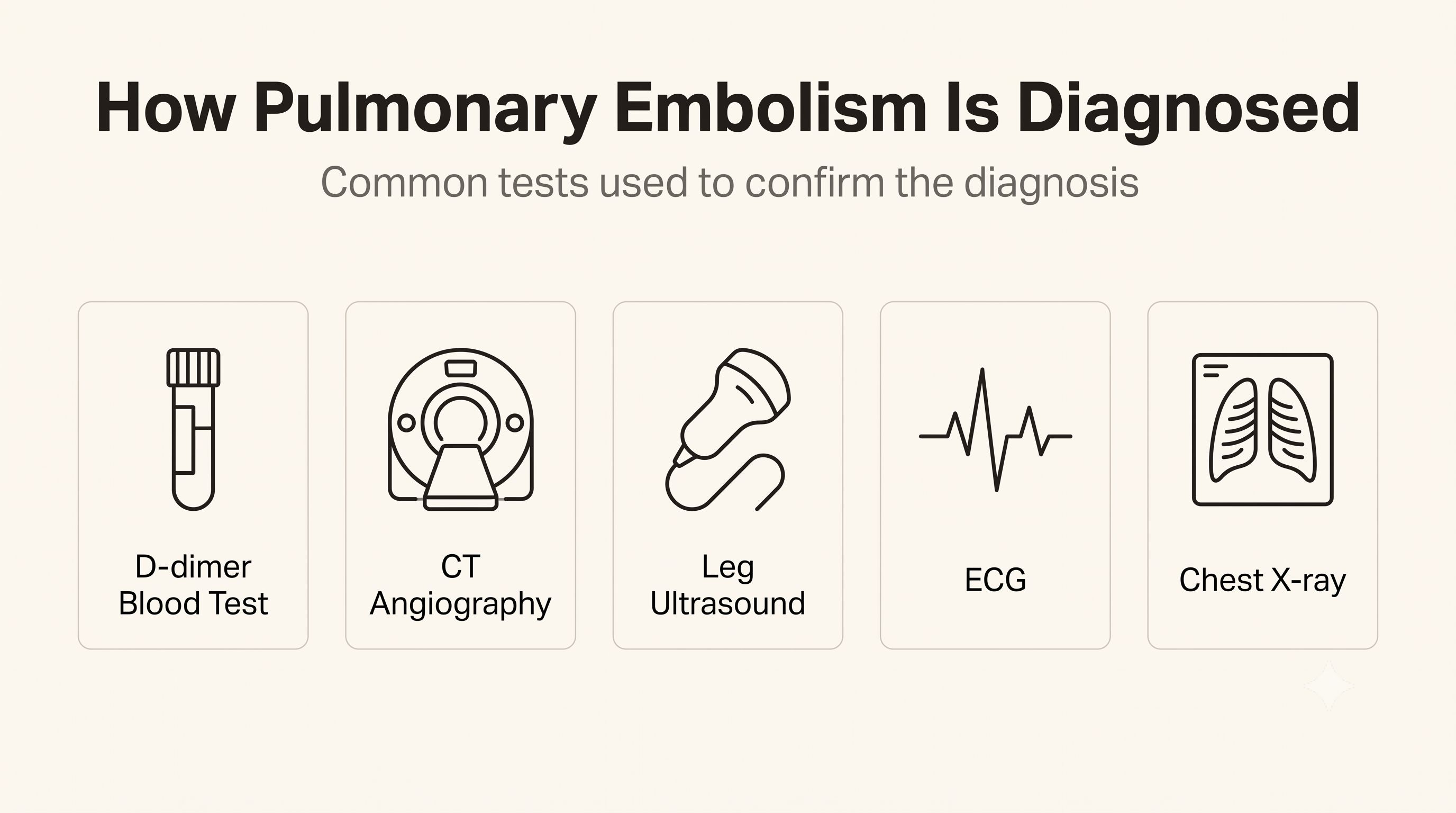
- Diagnosis & treatment: Diagnosis relies mainly on CT pulmonary angiography and V/Q scans; treatment centers on anticoagulants, with thrombolytics, IVC filters, or surgery reserved for select severe cases.
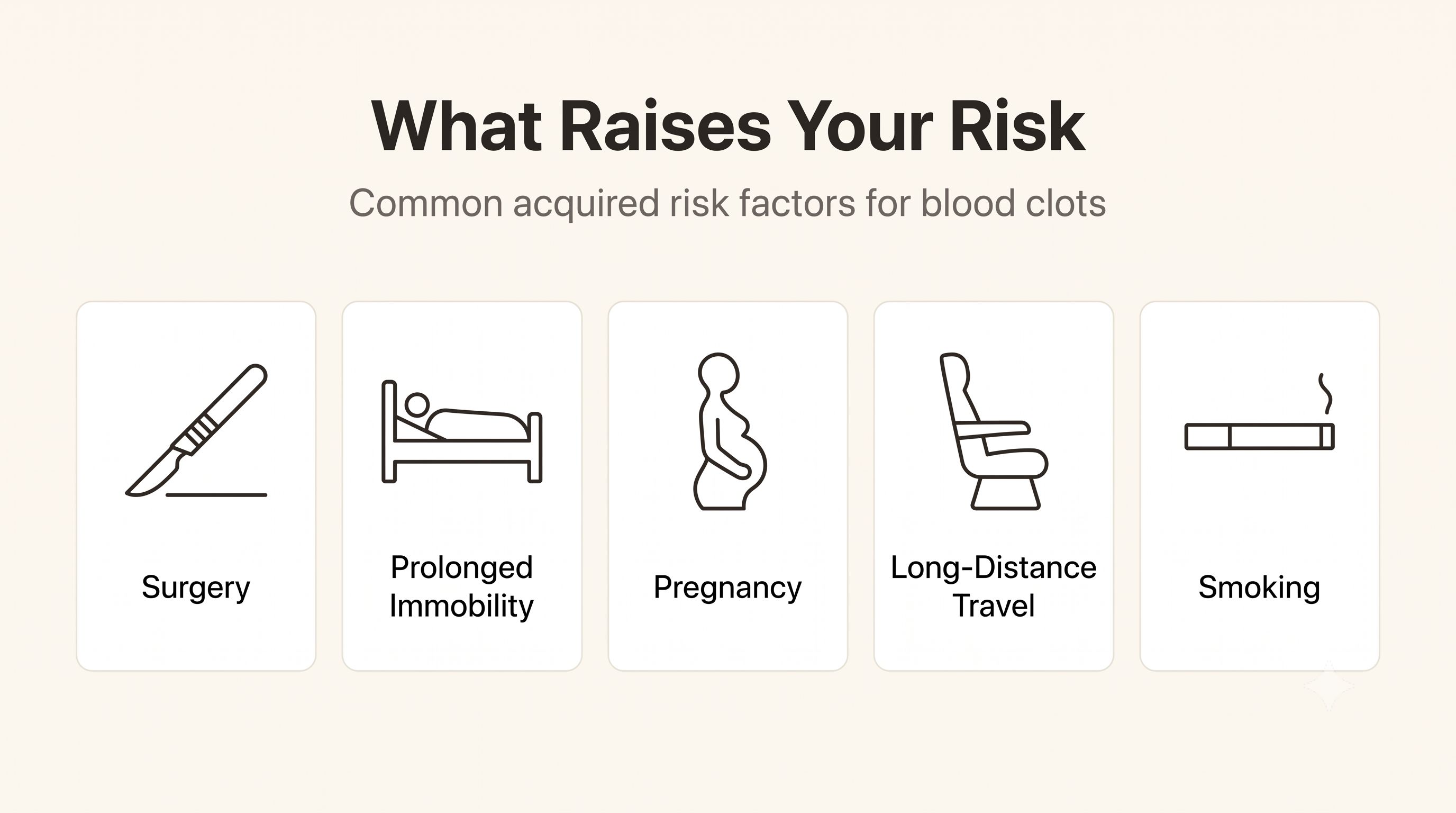
🎯 Who This Guide Is For: Anyone experiencing sudden breathing or chest symptoms, and anyone with risk factors such as recent surgery, pregnancy, or upcoming long-distance travel who wants to understand their risk.
A pulmonary embolism occurs when a blood clot (a clump of coagulated blood) that has formed in a vein somewhere in the body — often in the legs — travels through the bloodstream and blocks an artery in the lungs. It is classified as a medical emergency that can be life-threatening if left untreated. If sudden shortness of breath, chest pain, fainting, or cyanosis occurs, you should go to the emergency room immediately, whether or not you have any risk factors.
🚨 Emergency Warning Signs
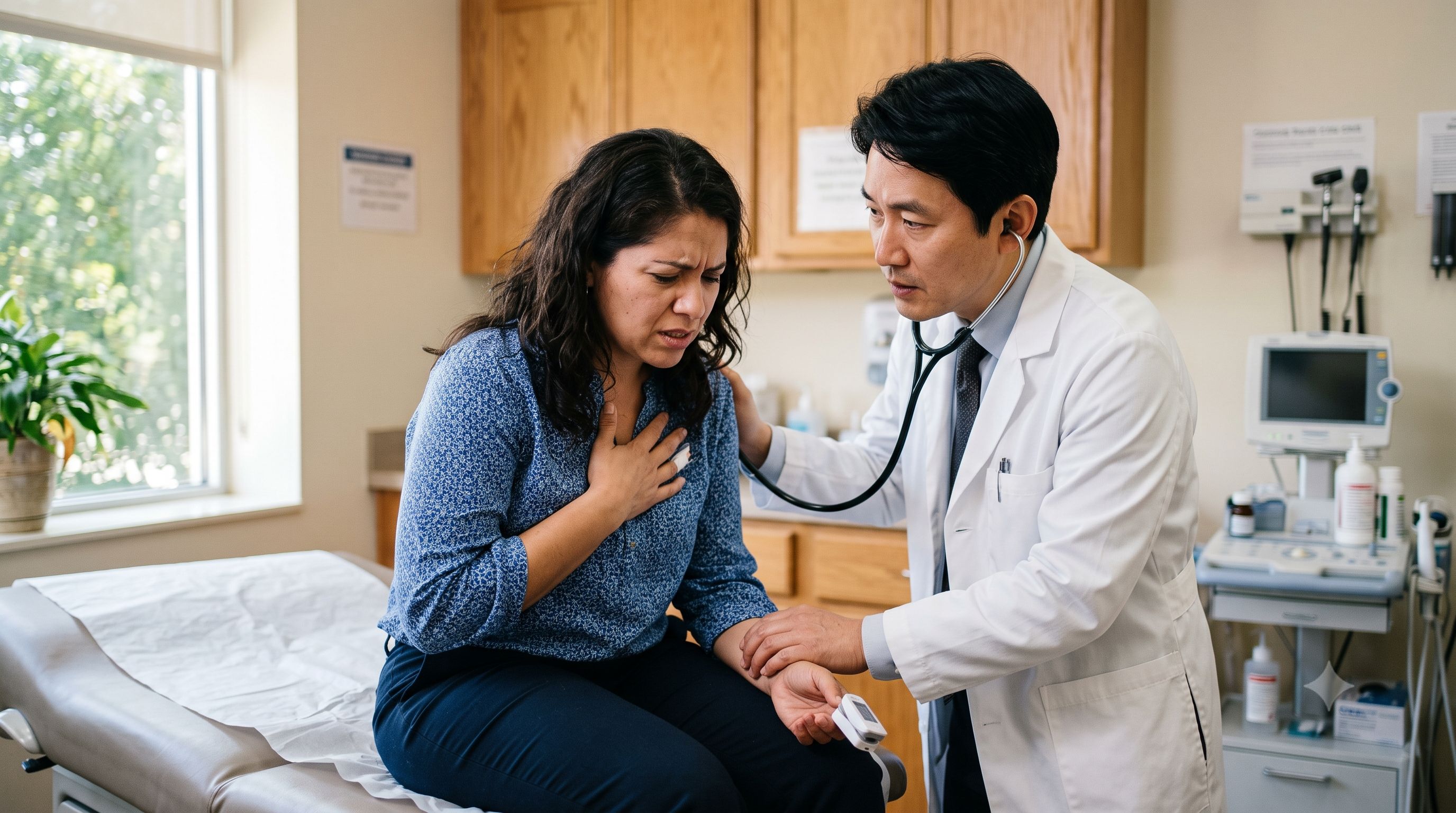
If any of the following symptoms appear suddenly, do not wait for a scheduled appointment — go to the emergency room immediately.
- Sudden shortness of breath or difficulty breathing
- Sudden chest pain (including pain that worsens with breathing)
- Fainting or a decline in consciousness
- Cyanosis — bluish discoloration of the lips or fingertips
- Unexplained cough, especially if accompanied by coughing up blood
If left untreated, the mortality rate is reported to be over 30%. With prompt diagnosis and proper anticoagulation therapy, that rate drops to roughly 2%–8%, according to medical information from Myeongji St. Mary's Hospital and European Society of Cardiology guidelines. Rather than trying to judge for yourself whether you have risk factors, it is safer to get tested directly at the emergency room.