Korean Pharmacy Guide to Melasma, Dark Spots, Hyperpigmentation & Scars
💡 Key Takeaways at a Glance
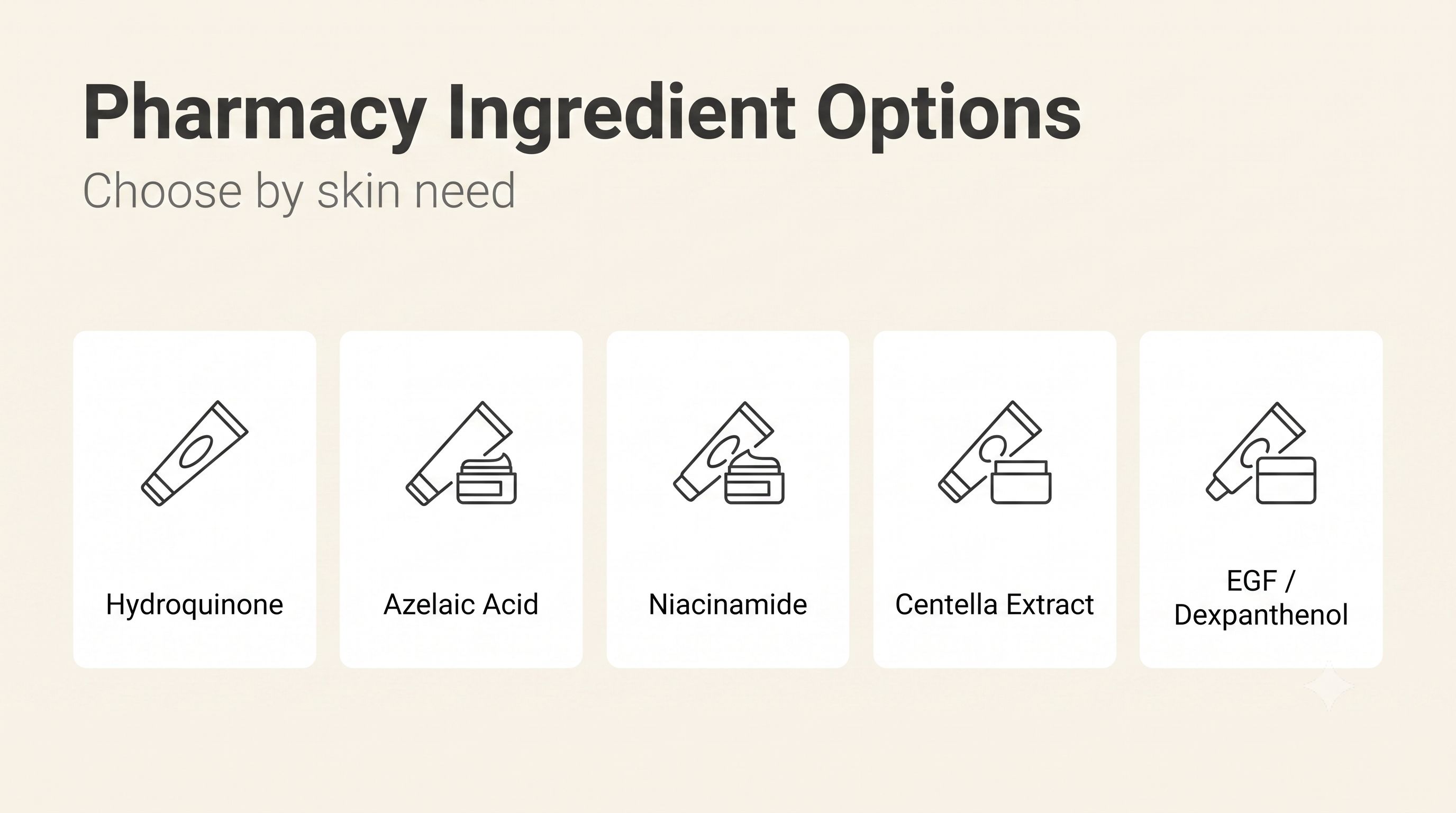
- Choosing by Ingredient: Ingredients such as hydroquinone, azelaic acid, nicotinamide, and tretinoin serve different purposes in improving hyperpigmentation and scars.
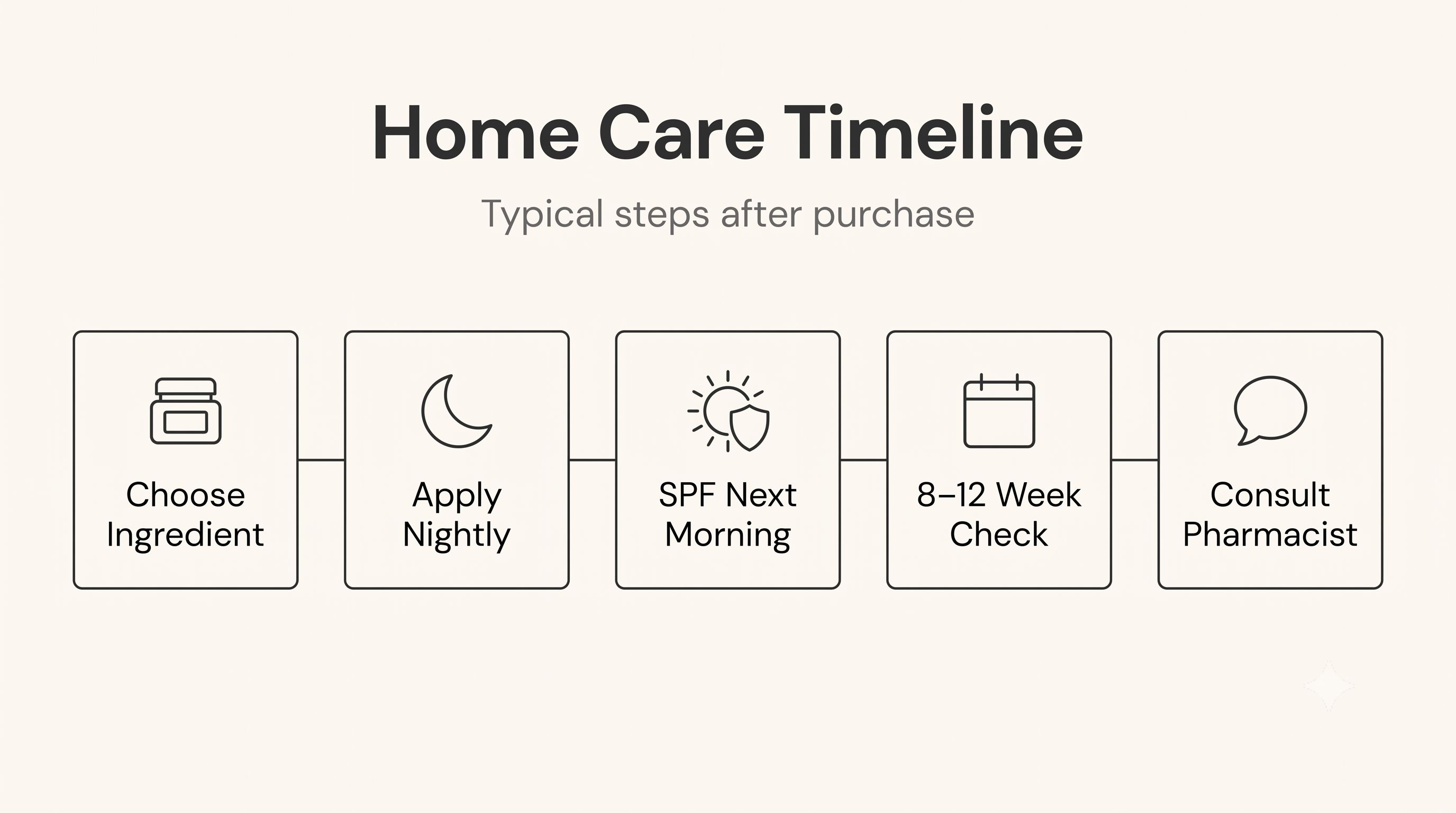
- Treatment Duration: Improving hyperpigmentation requires consistent use for at least 8 weeks (2 months), while improving scars requires at least 3–6 months of consistent use.
- Contraindications: Pregnant women, women of childbearing potential, and children aged 12 or younger must not use hydroquinone or tretinoin.
- When Medical Care Comes First: Acute inflammatory lesions and severe keloid scars should be evaluated by a dermatologist rather than managed through self-care.
🎯 Who This Guide Is For: This guide is intended for people who want to manage acne marks, dark spots, or mild scars with pharmacy products, or who want to understand the differences between ingredients and their contraindications before considering an in-clinic procedure.
Can Melasma, Dark Spots, Hyperpigmentation, and Scars Be Managed With Pharmacy Products?
Korean pharmacies offer ointments containing ingredients such as hydroquinone, azelaic acid, nicotinamide, and tretinoin for managing melasma, dark spots, hyperpigmentation, and scars. However, each ingredient has a different recommended treatment duration and side-effect profile. Improving hyperpigmentation requires consistent use for at least 8 weeks (2 months), while improving scars requires at least 3–6 months of consistent use. Pregnant women, women of childbearing potential, and children aged 12 or younger must not use hydroquinone or tretinoin, so be sure to check before purchasing a product. Exact prices vary by store and region, but products generally cost approximately KRW 10,000–45,000, depending on the ingredient, brand, and whether a prescription is required. Contacting the pharmacy before visiting is recommended. This article covers hyperpigmentation and mild scars that fall within the scope of self-care. It does not address conditions that require medical evaluation first, such as acute inflammation or severe keloids.