Veneers for Front Teeth in Korea: Types, Cost & Pain (2026)
Published: 2026-09-10
💡 Quick Summary: At a Glance
- How prepped vs. no-prep is decided: Larger changes — cavity restoration, major changes to the tooth line or size, and fully closing black triangles — are often handled with prepped veneers, while smaller changes — improving color, correcting minor canting, or enlarging a peg lateral — are often handled with no-prep veneers.
- Cost: Based on SafeDoc discounted pricing, $345–$552 per tooth (around ₩400,000–₩600,000, VAT not included).
- Treatment duration: On average 1–2 weeks for prepped veneers and 3 days–1 week for no-prep veneers (add roughly 3–6 months if combined with partial orthodontics).
- Things to watch for: If you have severe malocclusion, gum disease, a grinding or clenching habit, or difficulty maintaining oral hygiene, suitability must be confirmed through a consultation.
🎯 Who This Guide Is For: Anyone considering improving the color or shape of their front teeth who wants to understand whether prepped or no-prep veneers are the right fit.
Veneers for front teeth are a cosmetic dental treatment that improves the color and shape of your teeth by bonding thin ceramic shells onto the tooth surface — either after lightly shaving the enamel down or without removing any tooth structure at all. Depending on how much the tooth is shaved down, veneers fall into two categories: prepped veneers and no-prep veneers. Which type suits you depends on your tooth condition and what you're trying to improve.
What Are Front Teeth Veneers? Is This Right for You?
If you have a cavity that needs to be restored, want to significantly change the overall line or size of your teeth, or want to completely close black triangles (the triangular gaps that appear near the gumline as gums recede), veneers are often applied after shaving down some of the tooth. On the other hand, if you're mainly looking to brighten your tooth color by around 3 shades, correct canting (a diagonal tilt in the tooth's axis), or enlarge a peg lateral (an undersized tooth — usually a lateral incisor next to the upper front teeth), it may be possible to have veneers bonded without shaving down the tooth at all. That said, no-prep veneers aren't an option in every case; whether they can actually be used depends on your tooth condition, so this needs to be confirmed during a consultation. Demand for this kind of cosmetic improvement has been growing, but if the procedure is done without considering how the veneers will look next to your surrounding teeth, the result can end up looking unnatural.
Common Situations That Call for Veneers
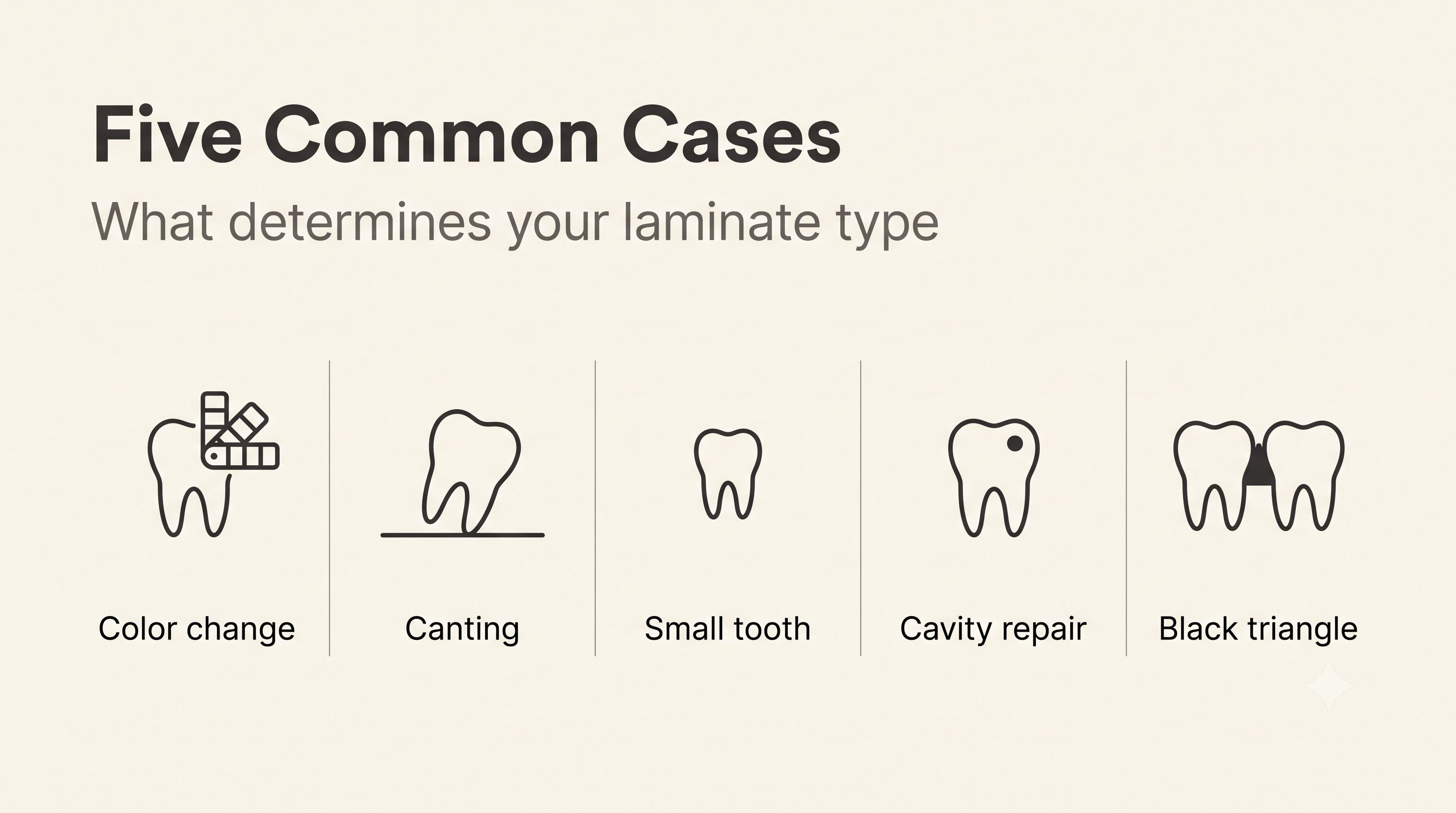
- When you want to restore a tooth that has discolored or lost its shape after cavity treatment
- When you want to change the overall size or line of your teeth
- When black triangles caused by receding gums or gaps between teeth bother you
- When your tooth color isn't as white as you'd like, or you have a slightly tilted or undersized tooth
How Is This Different From Whitening or Orthodontics?
Teeth whitening works by chemically breaking down surface stains, so it only lightens the color — it doesn't reshape teeth, and it's described as lasting a shorter time than veneers. Orthodontic treatment moves teeth to change their alignment; it takes much longer, but doesn't require shaving down the tooth. Veneers sit somewhere in between: they can change both color and shape relatively quickly, but depending on the case, some tooth reduction may be required.
Why Some Cases Require Tooth Reduction and Others Don't
What Determines Whether Reduction Is Needed
The key factor is how much the shape has to change. When the change is small — just adjusting color, correcting a slight tilt, or enlarging a peg lateral — the natural tooth surface often offers enough room to bond the veneer, so no reduction is needed. But when a cavity-damaged area needs to be covered, the tooth line or size needs to change noticeably, or a black triangle needs to be fully closed, part of the tooth — often the back or inner surface — is shaved down to create enough space for the veneer to sit naturally.
What Cavities, Major Reshaping, and Black Triangles Have in Common
What these three situations have in common is that the existing tooth structure doesn't offer enough space or the right conditions to achieve the desired result. A cavity-damaged area is already compromised, so it's often restored with veneers, which are described as carrying a lower risk of discoloration and detachment than resin (a tooth-colored filling material) — though changing the shape significantly requires physical space that only reduction can create. Closing a black triangle completely can likewise require trimming part of the tooth surface.
Your Options: Prepped Veneers vs. No-Prep Veneers
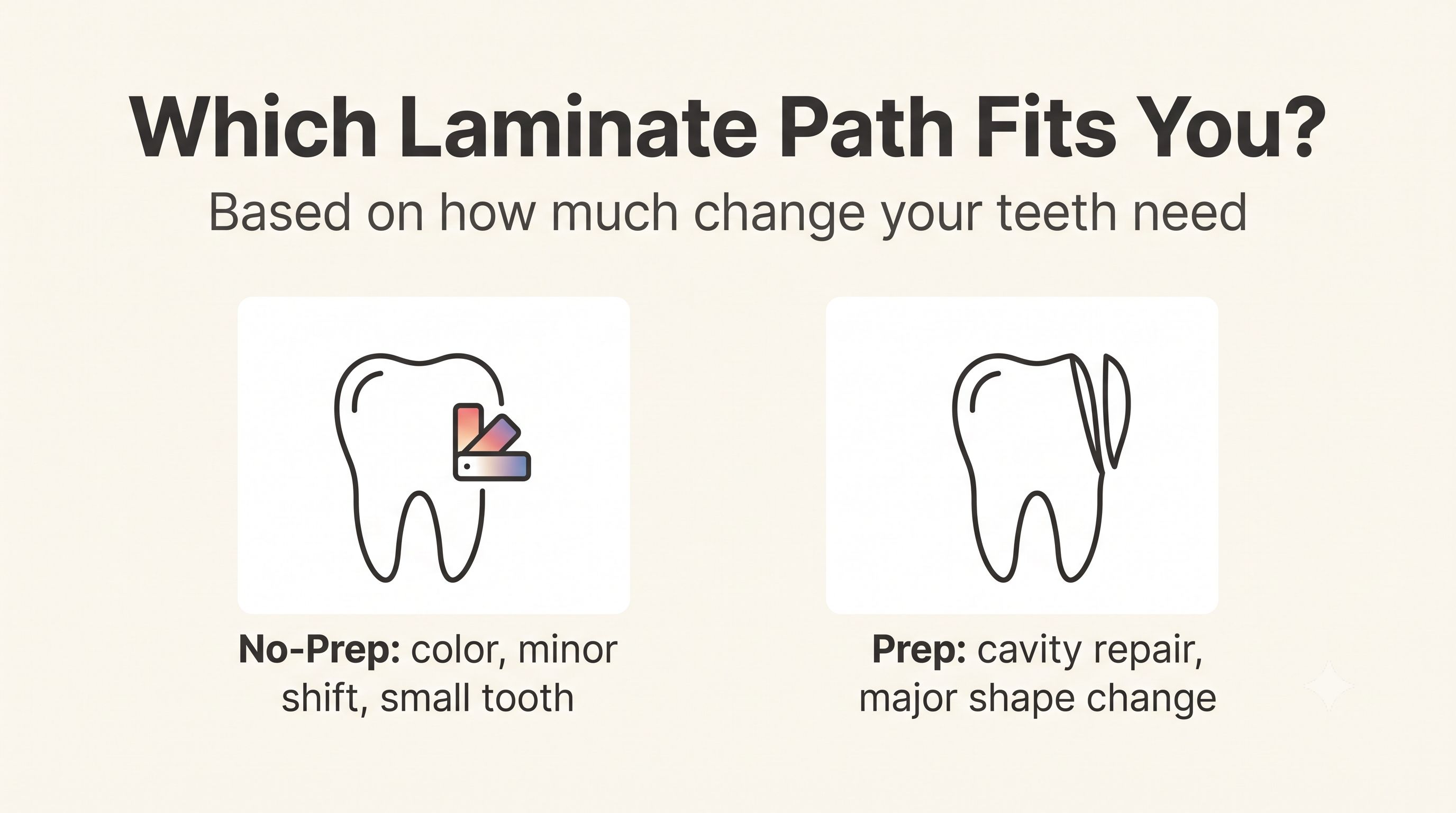
Prepped veneers involve shaving down part of the tooth before bonding on the ceramic shell, while no-prep veneers are bonded directly onto the tooth surface without any shaving. Prepped veneers are used for larger shape changes — cavity restoration, a noticeable change to tooth line or size, or fully closing a black triangle. No-prep veneers are used for brightening tooth color by around 3 shades, correcting canting, enlarging a peg lateral, or finishing up after partial orthodontics (treatment that aligns just a section, such as the front teeth, rather than the full arch) has already straightened the teeth.
Doing partial orthodontics first can minimize how much of the tooth needs to be shaved down, but it extends the overall treatment timeline. Prepped veneers are less reversible, since tooth structure that's been shaved down cannot be restored, whereas no-prep veneers are relatively better at preserving natural tooth structure. Choosing the wrong approach for your goals and tooth condition can lead to results that fall short of what you expected, which is why an accurate diagnosis beforehand matters.
| Category | Prepped Veneers | No-Prep Veneers |
|---|---|---|
| Best For | Cavity restoration, major changes to tooth shape/size, fully closing black triangles | Color changes, correcting canting, enlarging peg laterals, fine-tuning after partial orthodontics |
| Tooth Reduction | Required (some reduction, often on the back surface) | None |
| Treatment Duration | On average 1–2 weeks (as little as within 3 days with same-day digital CAD/CAM fabrication) | Can take longer than prepped veneers if combined with partial orthodontics |
| Reversibility | Tooth structure that's been shaved down cannot be restored | Relatively better at preserving natural tooth structure |
| Cost | $345–$552 per tooth (around ₩400,000–₩600,000, VAT not included) | $345–$600 per tooth (around ₩450,000–₩700,000, varying by case complexity and prosthetic material) |
Reduction Case ① Cavity Removal + Veneer
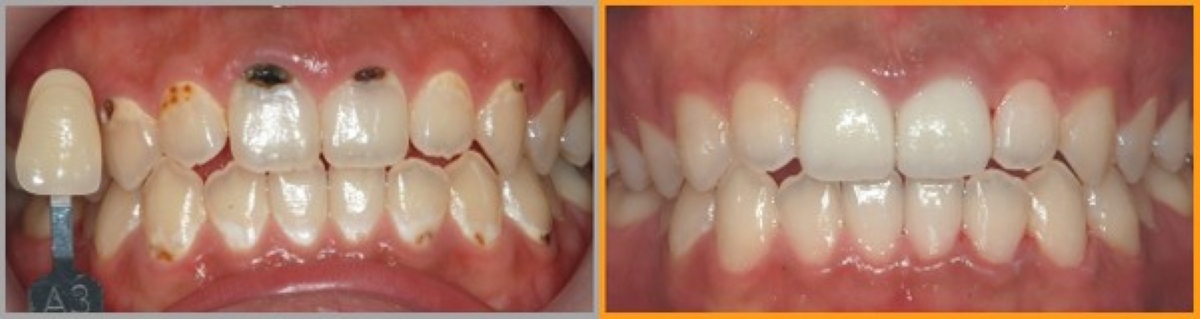
This approach cleans up the cavity-damaged area first, then restores it with a veneer placed on top. It's described as carrying a lower risk of discoloration and detachment than a resin filling, but that risk isn't eliminated entirely.
Reduction Case ② Major Change to Tooth Shape or Line
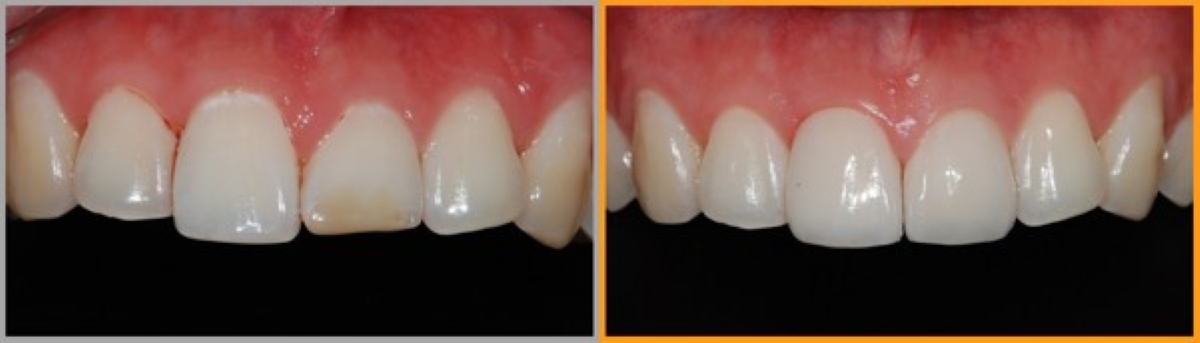
When you want to noticeably change the overall line or size of your teeth, reduction — often including the back surface — is usually needed to make room for the veneer.
Reduction Case ③ Closing Black Triangles
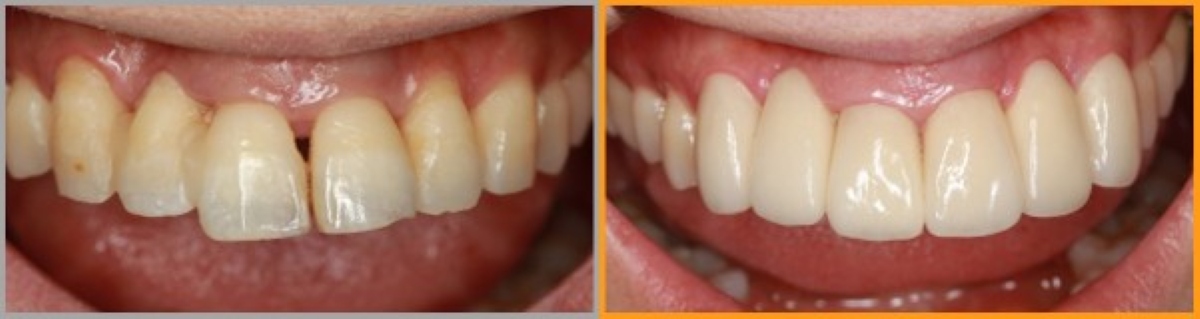
To completely close the triangular gaps caused by receding gums or spaces between teeth, the tooth surface is trimmed and then filled in with a veneer.
No-Prep Case ① Brightening Tooth Color
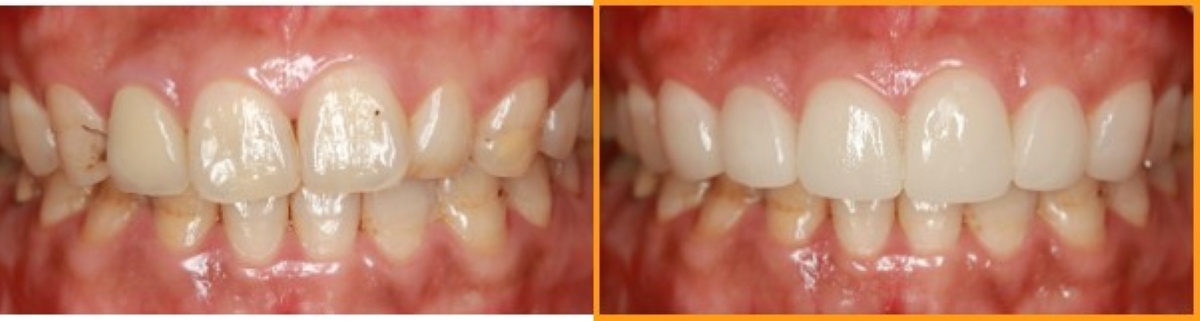
If the goal is to brighten tooth color by around 3 shades, this can be done by bonding a thin veneer without shaving down the tooth. It's described as lasting longer than whitening.
No-Prep Case ② Correcting Canting (Axis Tilt)
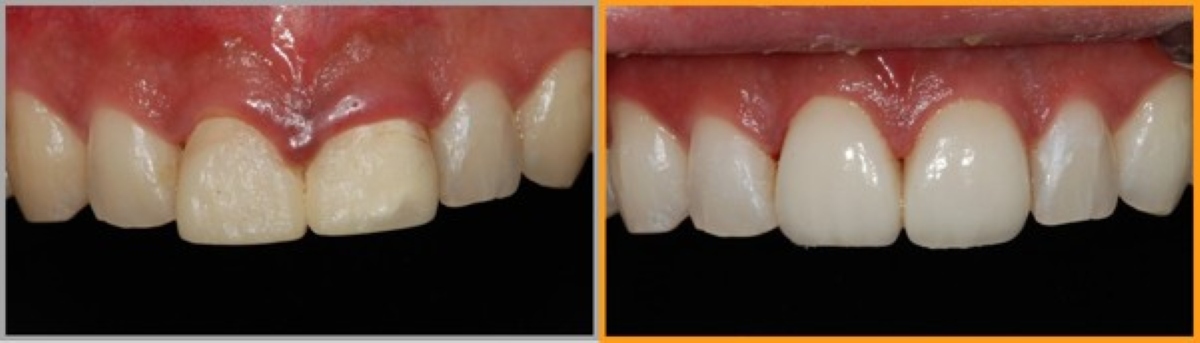
In some cases, a tooth axis that's tilted diagonally can be visually corrected just by adjusting the thickness of the veneer.
No-Prep Case ③ Correcting Peg Laterals
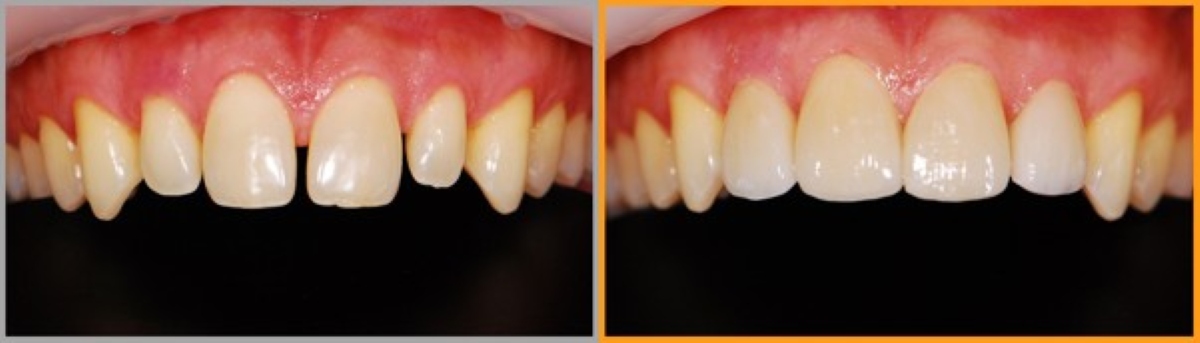
If you want to enlarge a tooth that grew in smaller than normal — especially a lateral incisor — veneers can fill out its shape without shaving down the tooth.
No-Prep Case ④ Partial Orthodontics + No-Prep Veneers
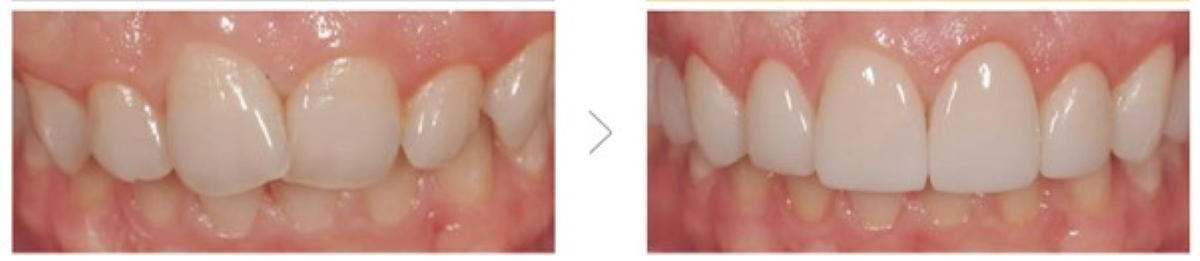
If your teeth are crooked or protruding, partial orthodontics can straighten the alignment first, followed by no-prep veneers — minimizing how much of the tooth needs to be shaved down. That said, the overall treatment period will be longer than if you had veneers alone.
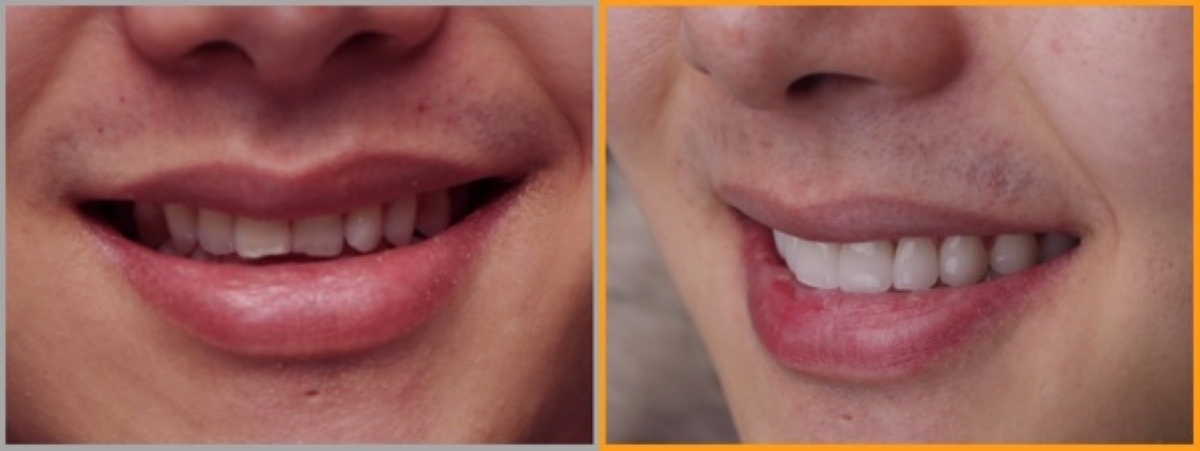
👉 Curious about the details of a clinic that offers veneers? Check out the Yonsei Good Day Dental Clinic Yangjae branch page.
Things to Consider: Risks, Side Effects, Limitations, and Who Should Avoid This
If more of the tooth is shaved down than the goal actually requires, it can lead to damage that cannot be reversed afterward. This is something to confirm before deciding whether to go ahead with the procedure. Prepped veneers are described as carrying a lower risk of discoloration and detachment than resin restorations, but that risk isn't zero — it varies depending on the technique used and your individual oral condition.
- Tooth sensitivity and nerve irritation if too much of the tooth is shaved down (approximately 5–10% of cases, mostly temporary)
- Fracture or detachment of the ceramic restoration (approximately 2–5% of cases), often from biting hard foods or weakened bonding
- Gum inflammation from irritation at the restoration's margin (approximately 1–3% of cases)
- A sense of bulk or altered bite feel from the added thickness with no-prep veneers
Even with no-prep veneers, the added tooth thickness can create a sense of bulk or change how your bite feels, so a simulation beforehand is necessary.

🚨 A Consultation Is Especially Important If You Have Any of These
Veneers may not be suitable if you have severe malocclusion or an underbite, active gum disease (periodontitis), a habit of grinding your teeth at night or clenching them forcefully, or oral hygiene challenges that put you at higher risk of cavities. A consultation is also needed beforehand to check for teeth with insufficient remaining enamel for bonding, severe cavities that require root canal treatment or have more than 50% tooth damage, and bite structures where the occlusal load falls directly onto the ceramic restoration.
It's also worth keeping in mind that pursuing an aesthetic result without considering how the color and line match your surrounding teeth can end up looking out of place overall.
💡 Self-Check List Before Your Consultation
- Have you confirmed the amount of reduction isn't more than your goal actually requires?
- Have you considered how the color and line will match your surrounding teeth?
- Have you looked into whether partial orthodontics could reduce how much tooth needs to be shaved down?
- Have you had a formal exam to check whether your own oral condition — grinding/clenching habits, malocclusion, gum disease, limits on how much tooth can be shaved down, and so on — falls under any of the conditions that make veneers unsuitable?
Alternatives worth considering instead of veneers include teeth whitening (lasts a shorter time than veneers), resin restoration (described as carrying a relatively higher risk of discoloration and detachment), and partial orthodontics followed by no-prep veneers (minimizes reduction, but extends the timeline).
Getting Veneers in Korea: Cost, Timeline, Visits, and Recovery
If you get veneers for your front teeth in Korea, the cost and timeline will depend on whether you choose prepped or no-prep veneers, how many teeth are involved, and the clinic. Based on SafeDoc discounted pricing, it runs $345–$552 per tooth (around ₩400,000–₩600,000, VAT not included).
Treatment duration also varies significantly by case: on average 1–2 weeks for prepped veneers and 3 days–1 week for no-prep veneers, with the overall schedule extending by around 3–6 months if partial orthodontics is combined. You'll typically need a total of 2–3 visits (the first for diagnosis, digital scanning, and a temporary restoration; the second for final bonding and bite adjustment), and multiple visits may be needed across the diagnosis, impression-taking, and bonding stages.
If you live abroad and are considering treatment in Korea, it's worth confirming in advance that you can stay at least 5–7 days (3–5 days if using same-day CAD/CAM treatment) and that one-on-one English consultations through a dedicated international patient coordinator are available. Before the procedure, you'll need a consultation to review your tooth condition and goals, along with a diagnostic check to see whether partial orthodontics is needed first.
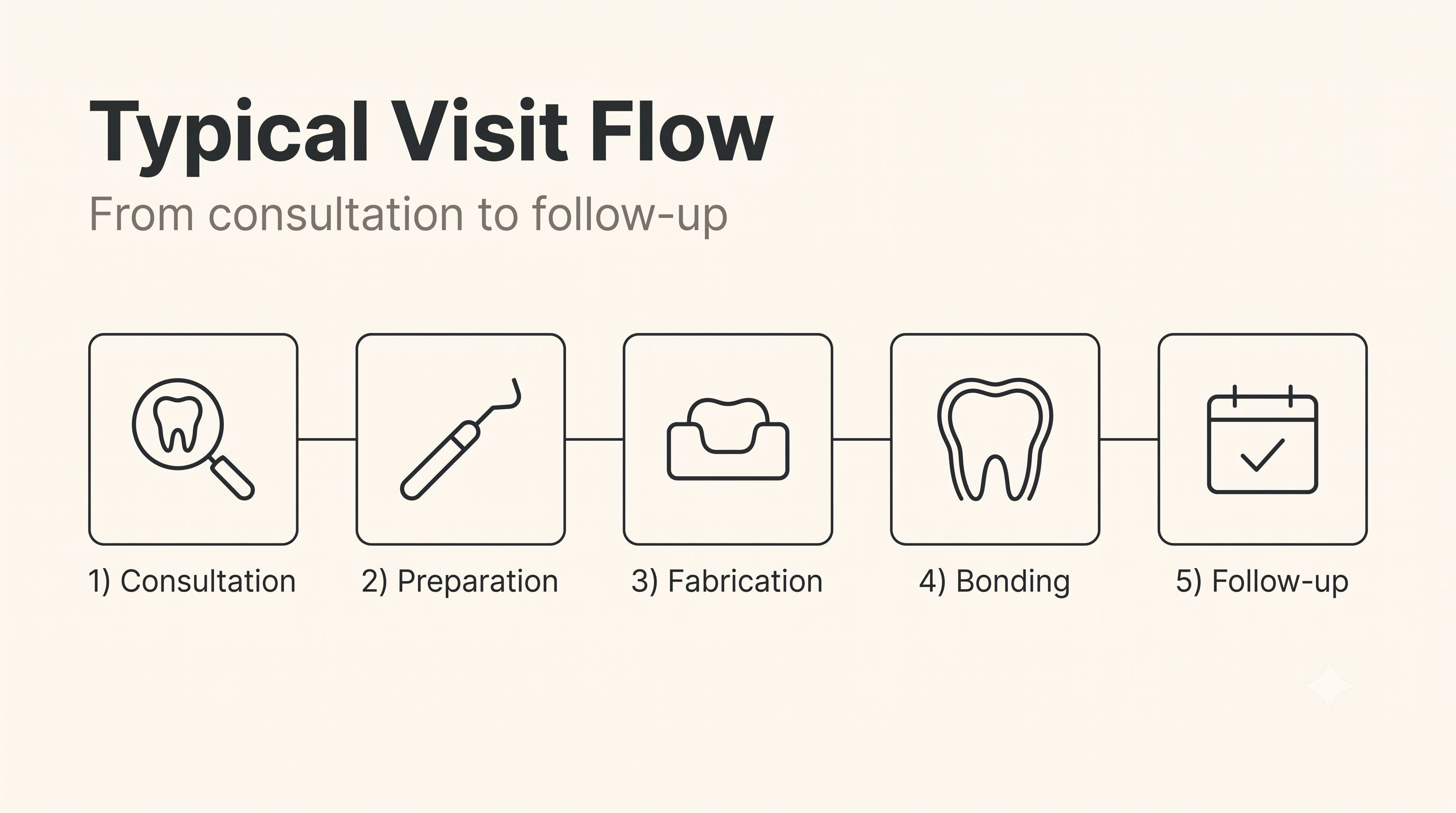
General Treatment Flow
- Diagnosis of tooth condition and consultation on your goals
- Deciding between prepped and no-prep veneers
- (If needed) Partial orthodontics beforehand
- Veneer fabrication and bonding
- Resuming daily activities right after the procedure (avoid hard or chewy foods for the first 1–2 weeks; regular checkups every 6 months to 1 year are recommended)
You can look up the treatment menu of clinics that offer veneers, such as Yonsei Good Day Dental Clinic Yangjae branch, and it's recommended that you confirm the exact cost for each type through a consultation with the clinic directly. Exact pricing is also available on the SafeDoc veneer pricing page.
❓ Frequently Asked Questions (FAQ)
Q. Do I always have to have my teeth shaved down for veneers?
No. For small changes — color, a minor tilt, or an undersized tooth — no-prep veneers may be an option. But if you need cavity restoration or a major shape change, some tooth reduction is unavoidable.
- What to prepare: confirm your goals and tooth condition through a consultation
- Whether reduction is needed differs by case (cavity restoration, shape changes, and black triangles fall under prepped veneers)
Q. What are the side effects of veneers?
If more of the tooth is shaved down than necessary, it can lead to damage that cannot be reversed later. Discoloration and detachment are described as less likely than with resin restorations, but that possibility isn't completely ruled out.
- Tooth sensitivity (approximately 5–10%, mostly temporary), fracture or detachment of the restoration (approximately 2–5%), and gum inflammation (approximately 1–3%). Main causes include excessive tooth reduction, impact from biting hard foods, and irritation at the gumline margin.
- Not suitable for: people with severe malocclusion, those who grind or clench their teeth, patients with active gum disease (periodontitis), and patients whose teeth lack sufficient remaining enamel
Q. How much do front teeth veneers cost in Korea?
Cost depends on whether you choose prepped or no-prep veneers, how many teeth are involved, and the clinic — the exact range needs to be confirmed through a consultation.
- Cost: based on SafeDoc discounted pricing, $345–$552 per tooth (around ₩400,000–₩600,000, VAT not included)
- Reference: available on the SafeDoc Korea veneer pricing page
Q. How long do veneers last?
They're described as lasting longer than teeth whitening, but the exact average lifespan varies depending on individual care and the technique used.
- With proper oral hygiene and regular checkups, they can last on average 10–15 years or more
- Without proper care, there's a risk of discoloration or detachment
Q. Is it better to do partial orthodontics before getting veneers?
If your teeth are crooked or protruding, doing partial orthodontics first can reduce how much tooth needs to be shaved down, but it makes the overall treatment period longer than getting veneers alone.
- Duration: around 3–6 months
- Benefit: better preservation of natural tooth structure
Next Steps: Finding the Right Approach for You
With front teeth veneers, whether prepped or no-prep is right for you plays a big role in the outcome and how well your tooth structure holds up, so it's safer to have your tooth condition checked in person rather than deciding on your own. This matters especially for prepped veneers, since the process is irreversible — make sure during your consultation that the amount of reduction actually matches your goals.
What to Prepare Before Your Consultation
- Write down specifically what you want to improve (color, shape, gaps, etc.)
- Share your dental history, including any cavities or gum issues
- Ask about the pros, cons, and cost range of both prepped and no-prep veneers
Since the exact amount of reduction and cost need to be confirmed through an actual consultation, you can also reach out with questions through a consultation channel for veneers and other dental procedures.
👉 Dealing with tooth pain or thinking about an extraction? Check out the wisdom tooth pain and extraction recovery guide.